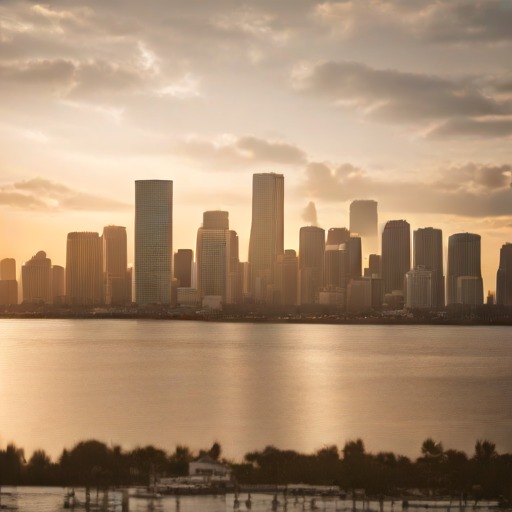
Dubai has long positioned itself as a glittering crossroads of global commerce, where ultra-wealthy shoppers from the Middle East, Russia, and Asia converge in air-conditioned mega-malls to spend lavishly on designer goods. But now, the luxury industry's top executives are confronting an uncomfortable reality: the wars and geopolitical tensions reshaping the world are beginning to cast a shadow over one of their most important markets.
According to reporting by The New York Times, leaders of some of the world's most prestigious fashion and jewelry houses are increasingly worried that prolonged conflict — particularly in the Middle East and Eastern Europe — could dampen consumer spending in a city that has become central to the future of the luxury sector.
Dubai's Rise as a Luxury Capital
Over the past decade, Dubai has transformed from a regional shopping destination into a global luxury powerhouse. The United Arab Emirates' most populous city has attracted flagship stores from virtually every major European fashion house, from Louis Vuitton and Chanel to Cartier and Bulgari.
The city's tax-free shopping environment, year-round tourism, and strategic geographic position between Europe, Africa, and Asia have made it a magnet for high-net-worth individuals. Dubai's luxury retail market has benefited enormously from an influx of Russian wealth following Western sanctions, as well as from wealthy consumers across the Gulf Cooperation Council nations.
Industry gatherings in the emirate have become essential calendar events for brand executives, who view the Middle Eastern market as one of the few remaining bright spots in an otherwise challenging global retail landscape. The region's young, brand-conscious population and its appetite for exclusive products have made it a key growth engine.
How Geopolitical Instability Threatens the Boom
Despite Dubai's remarkable growth trajectory, the current geopolitical climate is raising red flags across boardrooms in Paris, Milan, and New York. The ongoing war in Gaza and broader instability across the Middle East have introduced a level of uncertainty that luxury executives have not had to contend with in recent years.
While Dubai itself remains physically removed from active conflict zones, the psychological and economic ripple effects are real. Consumer sentiment among wealthy Middle Eastern buyers — a core demographic for luxury brands — can shift rapidly when regional tensions escalate. Travel patterns change, discretionary spending tightens, and the celebratory atmosphere that fuels luxury purchases gives way to caution.
The conflict in Ukraine, now stretching into its third year, has also complicated the picture. While some Russian wealth has relocated to Dubai, the long-term sustainability of that spending remains uncertain as sanctions regimes evolve and geopolitical alignments shift. Executives worry that what once seemed like a reliable new customer base may prove more volatile than anticipated.
Industry analysts note that luxury spending is highly sensitive to consumer confidence, and that even perceived instability — rather than direct economic impact — can slow purchases of high-end goods significantly.
A Broader Industry Under Pressure
The concerns emanating from Dubai reflect a wider malaise in the global luxury sector. After a post-pandemic spending boom that saw record revenues for many major brands, the industry has entered a more turbulent period. Slowing demand in China, persistent inflation in Western markets, and shifting consumer preferences have all contributed to a more cautious outlook.
Major luxury conglomerates have reported mixed results in recent quarters, with some acknowledging that growth in the Middle East — while still positive — has not been enough to offset weakness elsewhere. The fear among executives is that a prolonged period of conflict could erode one of the last pillars of strong performance, a story we covered in Lawmakers Criticize Trump Over Resumption of Iran War.
Dubai's government has worked aggressively to insulate the city from regional instability, investing heavily in security infrastructure, tourism promotion, and business-friendly regulations. The emirate continues to host major global events and attract foreign investment at a remarkable pace. Yet even the most carefully cultivated business environment cannot fully shield consumer behavior from the anxieties of war.
What Comes Next for Luxury in the Gulf
Despite the headwinds, few industry observers expect luxury brands to retreat from Dubai. The long-term demographic and economic fundamentals of the Gulf region remain compelling, with a young and growing population, significant sovereign wealth, and ambitious development plans that show no signs of slowing.
However, the current moment is forcing a recalibration of expectations. Brands that had been planning aggressive expansion in the region may adopt a more measured approach, waiting for greater clarity on the geopolitical front before committing to new flagship locations or marketing investments.
Some executives are also looking to diversify their Middle Eastern presence beyond Dubai, exploring opportunities in Saudi Arabia, where Vision 2030 reforms are opening up new retail and entertainment sectors. Riyadh's emergence as a potential luxury hub could provide a hedge against over-reliance on any single market.
For now, the gleaming storefronts along Dubai's Sheikh Zayed Road and inside the Dubai Mall continue to attract shoppers. But behind the polished glass, the industry's leaders are watching the world's conflicts with growing unease, aware that the next chapter for luxury in the Gulf may depend as much on geopolitics as on the latest runway collection.