High-Profile Business Leaders and Officials Attend Trump-Xi Dinner at White House
Billionaires and senior administrators gathered for diplomatic talks as President Trump hosted Chinese counterpart Xi Jinping amid heightened trade scrutiny.
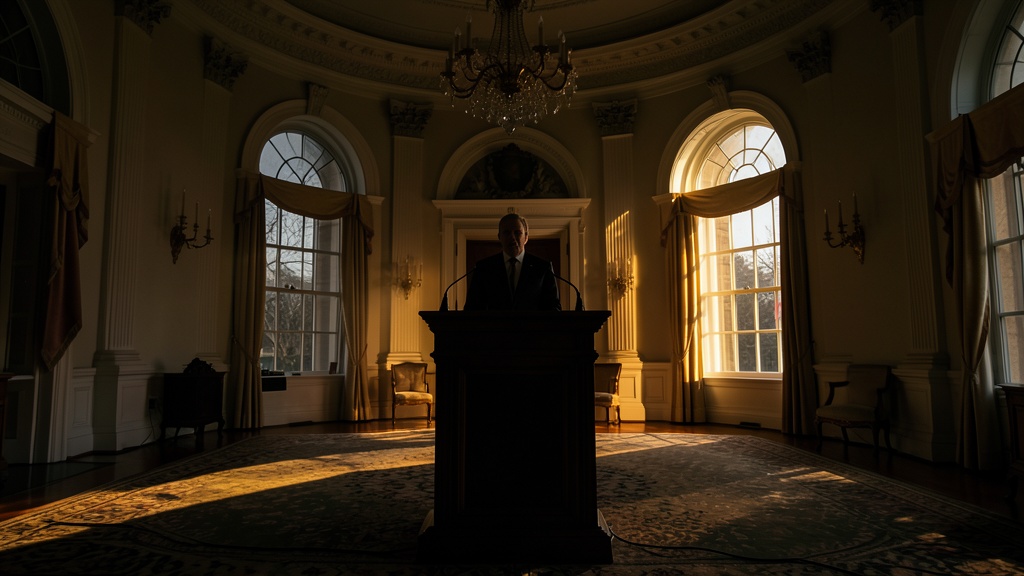
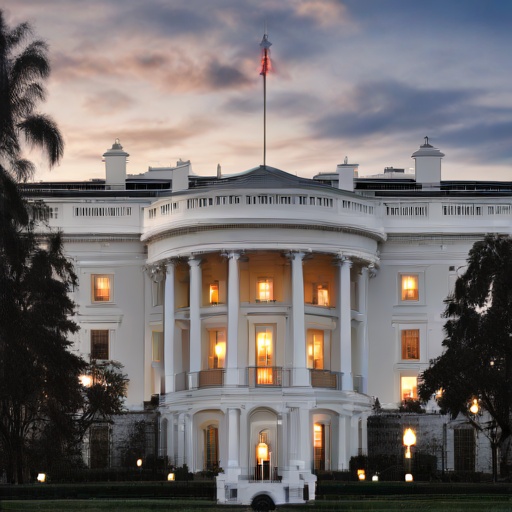
WASHINGTON — The White House served as the backdrop for high-stakes diplomacy this week, hosting a state dinner featuring U.S. President Donald Trump and Chinese leader Xi Jinping. According to reports from The Wall Street Journal via MSN, the event drew an array of billionaire business leaders alongside key senior government officials.
The gathering underscored the intersection of corporate power and foreign policy as Washington navigates complex trade relations with Beijing. Attendees included prominent figures from technology, finance, and manufacturing sectors who maintain significant stakes in transatlantic commerce.
Diplomatic Context and Economic Stakes
The dinner occurred against a backdrop of intensifying negotiations regarding tariffs and intellectual property rights. While specific details of the private discussions remain classified or confidential, observers note that business leaders often serve as informal channels for commercial interests during state visits.
President Trump has frequently emphasized economic nationalism in his foreign policy approach. The presence of major corporate executives suggests an effort to align private sector strategies with broader governmental trade objectives. This alignment is critical given the volatility of global supply chains and ongoing disputes over market access.
Xi Jinping’s visit highlights China’s strategic interest in maintaining stable relations despite geopolitical tensions. Beijing seeks to protect its export markets while managing domestic economic challenges. The dialogue between the two leaders reportedly focused on mutual concerns regarding semiconductor restrictions and agricultural imports.
Notable Attendees from Business Sector
The Wall Street Journal identified several high-net-worth individuals in attendance, reflecting their influence over U.S.-China trade flows. While a complete guest list was not publicly released by the White House press office, industry insiders confirmed participation from major technology conglomerates and financial institutions.
Executives from leading semiconductor firms were present, signaling the sector’s pivotal role in current diplomatic discussions. These companies face regulatory hurdles on both sides of the Pacific, making their engagement with administration officials particularly significant, a story we covered in Trump Hosts State Dinner for Chinese Leader Xi Jinping Amidst Trade Tensions.
Finance industry representatives also attended, bringing focus to currency valuation and investment protections. The financial sector remains sensitive to shifts in U.S.-China monetary policy, which can impact stock markets globally. Their presence indicates ongoing efforts to stabilize cross-border capital flows amid rising protectionist rhetoric.
Role of Government Officials
Senior administration officials accompanied the business leaders, bridging the gap between private enterprise and public policy. Key figures from the Department of Commerce and the Office of Trade Policy were likely in attendance to address regulatory frameworks directly.
The inclusion of these officials underscores the administrative focus on enforcing existing trade agreements while negotiating new terms. Officials reportedly discussed enforcement mechanisms for intellectual property theft, a longstanding point of contention between Washington and Beijing, a story we covered in Trump Hosts State Dinner for Chinese Leader Xi Jinping Amidst Trade Tensions.
Security protocols surrounding the event were heightened due to the sensitivity of the discussions. Law enforcement agencies coordinated closely with diplomatic security personnel to ensure the safety of both heads of state and their guests.
Implications for Future Trade Policy
The dinner serves as a precursor to upcoming legislative actions on trade reform in Congress. Business leaders often lobby policymakers directly, influencing the drafting of bills related to tariffs and subsidies. Their involvement in such high-profile events can signal shifts in administrative priorities, confirmed by AP News.
Analysts suggest that the interactions at this dinner may foreshadow new executive orders or regulatory changes affecting Chinese imports. The administration has previously utilized direct engagement with corporate leaders to shape public opinion on trade issues.
The outcome of these discussions could impact multinational corporations operating in both countries. Companies must navigate a dual landscape of U.S. sanctions and Chinese export controls, requiring agile strategic planning.
Public Reaction and Media Coverage
Media coverage has focused heavily on the exclusivity of the guest list and its potential influence on policy decisions. Critics argue that such gatherings prioritize corporate interests over broader public concerns regarding labor standards and environmental regulations.
Supporters counter that engaging directly with business leaders fosters pragmatic solutions to complex economic disputes. They contend that private sector insights are essential for crafting viable trade agreements that benefit American workers and consumers alike.
The event highlights the ongoing tension between open market ideals and national security concerns in U.S.-China relations. As both nations vie for technological supremacy, diplomatic channels remain crucial for preventing escalation into broader conflict.