Trump and Xi Extend Tariff Truce in Washington Amid Limited Diplomatic Gains
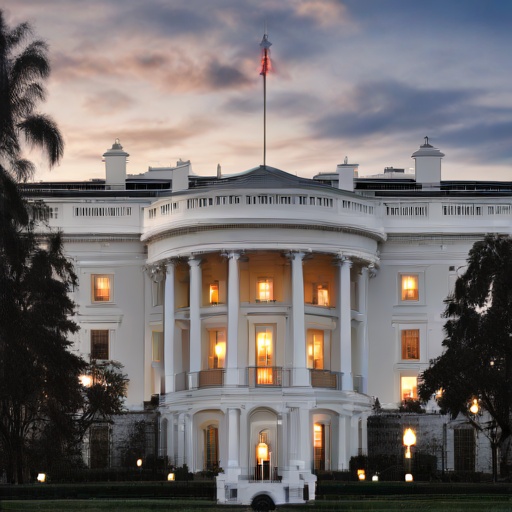
WASHINGTON — President Donald Trump hosted Chinese President Xi Jinping for a state dinner on Thursday evening at the White House, marking a significant diplomatic engagement between Washington and Beijing. The visit culminated in an announcement extending a previously agreed-upon truce on tariffs, offering temporary relief to industries grappling with trade volatility.
While the extension of the tariff pause was highlighted as a primary achievement, observers noted that few other concrete accomplishments emerged from the talks. The two leaders addressed complex rivalries concerning advanced artificial intelligence and ongoing geopolitical friction without announcing new breakthroughs in those areas.
Tariff Truce Extended
The central outcome of the summit was the mutual agreement to extend a truce on tariffs that had been negotiated earlier. This extension provides a reprieve for American businesses and Chinese exporters who have faced uncertainty regarding trade duties. The decision aligns with Trump’s broader economic strategy, which often emphasizes negotiation over immediate escalation.
Officials from both administrations indicated that the pause allows time for further discussions on specific trade barriers. However, the agreement does not resolve underlying structural issues in U.S.-China commercial relations. Analysts suggest that while the truce stabilizes markets temporarily, it does not constitute a long-term resolution to trade disputes.
The White House described the extension as a step toward maintaining economic stability during a period of global uncertainty. Beijing’s state media echoed this sentiment, framing the agreement as evidence of both nations’ commitment to avoiding an all-out trade war despite deepening strategic competition.
Technology and AI Rivalry Persists
Beyond trade, the summit addressed the growing tension surrounding advanced artificial intelligence. Both nations have engaged in a fierce competition for technological supremacy, leading to export controls and investment restrictions. During their discussions, Trump and Xi acknowledged these challenges but did not announce new frameworks for cooperation or regulation.
The lack of specific agreements on AI highlights the difficulty of aligning two systems with fundamentally different approaches to technology governance. The United States has imposed strict limits on chip exports to China, while Beijing seeks to reduce its dependence on Western semiconductor supply chains.
Experts note that without clear guidelines or joint initiatives, the rivalry in advanced computing and AI will likely intensify. The absence of a breakthrough in this sector suggests that technological decoupling may continue despite diplomatic overtures aimed at reducing broader trade tensions, a story we covered in Trump, Xi Agree Limited AI Safety Cooperation Amid Global Warnings.
Limited Diplomatic Achievements
Despite the high-profile nature of the state dinner, few other achievements were announced following the talks. The meeting focused primarily on maintaining existing agreements rather than forging new ones. This cautious approach reflects the complex political landscape in both countries.
In Washington, Trump faces pressure from various constituencies regarding his China policy. Balancing economic interests with national security concerns remains a delicate task for his administration. Similarly, Xi Jinping must navigate domestic expectations while managing relations with a superpower that views Beijing as its primary strategic competitor.
The limited scope of the announcements underscores the challenges of diplomacy between two nations locked in structural rivalry. While the tariff truce offers immediate relief, it does not address deeper issues such as intellectual property protection, market access, or geopolitical conflicts in regions like Ukraine and Taiwan.
Next Steps for U.S.-China Relations
As the leaders concluded their meetings, attention now shifts to how these temporary agreements will be implemented. The tariff extension requires ongoing monitoring and potential renegotiation as trade conditions evolve. Both administrations have indicated that technical teams will continue working on specific details.
The diplomatic engagement serves as a reminder of the interdependence between the world’s two largest economies. However, it also highlights the limits of current diplomatic tools in resolving deep-seated strategic differences. The coming months will test whether this truce can hold amid escalating tensions in other areas.
Observers remain cautious about interpreting the summit as a turning point. Instead, they view it as a management strategy for an enduring rivalry. With few concrete achievements beyond the trade pause, the focus remains on preventing further escalation rather than achieving comprehensive resolution.