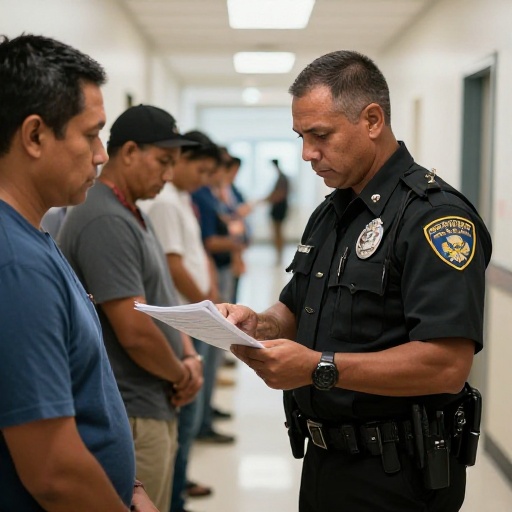
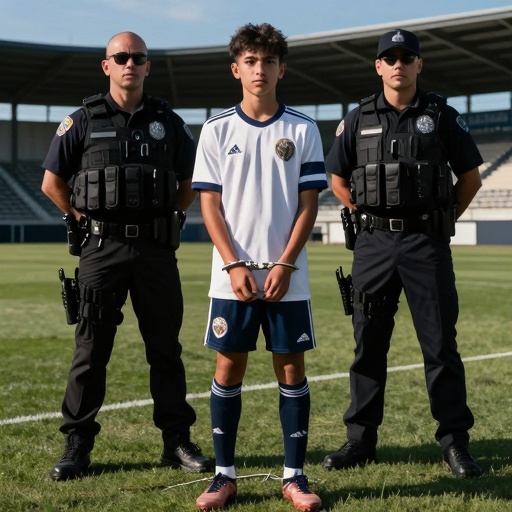
 Imagen generada con IA para Politics
Florida Soccer Star Detained by ICE Before Championship Final Sparks Immigration Debate
Argentine midfielder Matias Pourrain missed crucial match after detention, highlighting tensions in Florida's immigration enforcement strategies.
TAMPA, Fla. — The intersection of professional sports and federal immigration policy took center stage this week when Argentine soccer player Matias Pourrain was detained by U.S. Immigration and Customs Enforcement (ICE) at a Florida airport. The incident occurred just hours before his team was scheduled to compete in a major championship final, raising immediate questions about the coordination between law enforcement agencies and professional sports organizations.
Pourrain, a key midfielder for his club side, was stopped during travel procedures at a Tampa Bay-area international terminal. According to initial reports from Newsweek, federal agents identified him as someone subject to deportation proceedings. The detention prevented him from joining his teammates on the field for what would have been one of the most significant matches in their recent season.
Impact on Team Performance and Championship Outcome
The absence of Pourrain had a tangible impact on the team's performance during the championship final. Without their creative playmaker, the squad struggled to maintain possession and create scoring opportunities against formidable opponents. The loss was attributed in part by analysts to the lack of midfield control that Pourrain typically provides.
Team officials expressed frustration not only over the sporting consequences but also regarding the timing of the enforcement action. Sports franchises often rely on precise travel logistics for international athletes, and last-minute detentions disrupt these carefully planned schedules. The team finished the match without their star player, ultimately falling short in a tightly contested game.
This incident underscores the precarious nature of visa statuses for many professional athletes who compete across borders. While Major League Soccer (MLS) players generally hold P-1 visas, which are tied to specific employment contracts, administrative errors or changes in immigration status can lead to sudden disruptions. Pourrain’s case highlights how quickly legal standing can change, affecting both personal livelihoods and team dynamics.
Florida's Stance on Immigration Enforcement
The detention occurred within the broader context of Florida Governor Ron DeSantis’ aggressive stance on immigration enforcement. The state has positioned itself as a leader in combating illegal entry through measures such as Operation Streamline and increased cooperation with federal ICE operations.
Government officials argue that strict adherence to immigration laws is essential for public safety and the integrity of the legal system. From this perspective, any individual subject to deportation orders must be processed according to federal guidelines, regardless of their profession or social status. The DeSantis administration has consistently defended these policies as necessary steps to uphold state sovereignty and national security, as noted by Fox News.
However, critics argue that such enforcement can have unintended consequences for communities and industries reliant on international talent. In Florida’s tourism and sports sectors, which depend heavily on global engagement, high-profile detentions are viewed by some stakeholders as potentially damaging to the state's reputation as an open destination for business and leisure, as we reported in Haitian Pregnant Woman Faces Deportation as TPS Ends.
Legal Context and Visa Regulations
P-1 visas allow athletes and entertainment professionals to work in the United States temporarily. These visas require rigorous documentation, including letters of sponsorship from employers or event organizers. Despite these protections, visa holders remain subject to federal immigration laws and can be detained if they fall out of compliance with their status.
Legal experts note that ICE operations often target individuals based on data-driven enforcement priorities rather than random stops. If Pourrain was flagged for detention, it suggests a prior administrative finding regarding his legal status. The complexity arises when international travel intersects with pending immigration cases, creating bottlenecks at airports where federal agents have jurisdiction.
The situation also raises questions about the role of sports leagues in advocating for their players. MLS and other professional organizations often work closely with U.S. Citizenship and Immigration Services (USCIS) to ensure smooth processing for athletes. When these systems fail, as seen in Pourrain’s case, it exposes vulnerabilities in the current immigration framework.
As the investigation into Pourrain’s detention continues, the incident serves as a reminder of the delicate balance between enforcing federal law and supporting the cultural and economic contributions of international residents. For Florida, which hosts numerous major sporting events annually, finding this equilibrium remains an ongoing challenge for policymakers and sports administrators alike.