Haitian Pregnant Woman Faces Deportation as TPS Ends
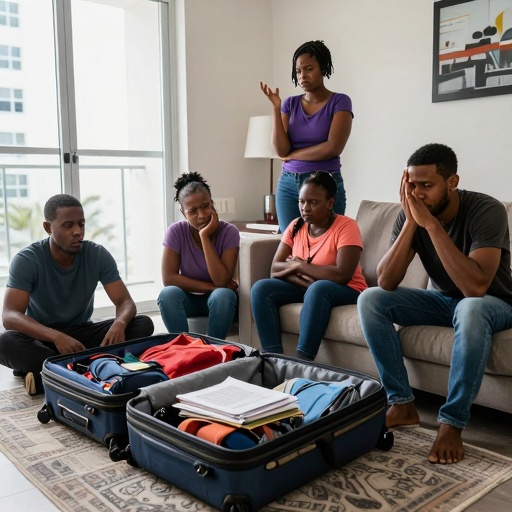
A 29-year-old expectant mother residing in Florida is currently living in hiding, expressing deep concern that she will be deported at any moment. Her anxiety stems directly from the recent decision by the Trump administration to terminate the Temporary Protected Status (TPS) program for hundreds of thousands of Haitian nationals. This policy shift has created an immediate and precarious legal landscape for individuals who previously relied on TPS protections against removal.
Immediate Impact on Florida Residents
The termination of the TPS designation removes a critical layer of federal protection for eligible immigrants from designated countries. For this expectant mother, whose identity is protected due to her vulnerable status, the end of the program translates directly into fear and instability. She is no longer covered under the provisions that previously allowed Haitian nationals to remain in the United States safely despite ongoing conditions in their home country.
"I am afraid they will come for me at any moment," she stated regarding her current situation as a pregnant woman navigating an uncertain legal future without TPS coverage. "My child has not even been born yet, and we are already facing the threat of separation."
The End of Temporary Protected Status
Temporary Protected Status is a federal immigration benefit granted to nationals of designated countries who cannot safely return due to ongoing armed conflict or environmental disasters. The Trump administration's decision to end this program for Haitians marks a significant pivot in enforcement priorities. While TPS does not provide a path to citizenship, it prevents deportation and allows recipients to work legally.
For the hundreds of thousands affected by this ruling across the nation, including those settled in Florida communities, the revocation means they must now find other legal avenues to remain or face removal proceedings. The suddenness of such policy changes often leaves individuals scrambling for legal counsel and alternative visa options that may not be readily available, as we reported in Florida Employers Face Labor Shortage After Haitian TPS Revocation.
Community Concerns and Legal Realities
The situation highlights the broader tensions within Florida's immigration landscape, particularly in areas with significant Haitian populations. As federal protections are withdrawn, local communities face increased pressure to support families who suddenly find themselves undocumented or at risk of detention. The case of this 29-year-old woman serves as a stark example of how high-level policy decisions directly impact individual lives on the ground, as we reported in Florida Employers Face Labor Shortage After Haitian TPS Revocation.
Legal experts note that once TPS is terminated, beneficiaries typically have a grace period to adjust their status through other means, such as family-based petitions or employment visas. However, for many, these options are limited by strict eligibility requirements and long processing times. The fear of deportation remains acute until new legal statuses are secured, confirmed by CBS News.
Looking Ahead
As the enforcement mechanisms associated with the end of TPS take effect, Florida residents in similar situations to this expectant mother will likely see increased interactions with immigration authorities. The coming months will test the resilience of local support networks and the effectiveness of legal aid organizations dedicated to protecting vulnerable populations from sudden deportation threats.