Florida Lawmakers Reach Budget Deal on Pay, Emergency Funds
Tallahassee leaders finalize fiscal year budget with specific raises for corrections officers and $250 million emergency fund allocation.
TALLAHASSEE — In late-night negotiations on Friday, Florida lawmakers reached agreements on targeted raises for certain state workers, funding for an emergency response reserve, and increased spending for citrus research. These deals were part of a flurry of meetings as House and Senate leaders worked to meet the Tuesday deadline required to complete the budget for the fiscal year beginning July 1.
Targeted Pay Raises for Public Safety
The final agreement rejects an across-the-board 3% raise for all state workers, which had been preferred by the Senate. Instead, corrections officers, state law enforcement officials, and firefighters will receive a 4% pay increase. Additionally, prison guards will benefit from a 1.5% cost-of-living adjustment (COLA) to their pensions, a story we covered in Florida Faces $1 Billion Federal Fine Over SNAP Error Rates.
"We've heard, especially in the corrections world that retention is really tough," Senate budget chief Ed Hooper, R-Clearwater, told reporters. "COLA is one more tool in the toolbox."
Budget Disputes and Emergency Funding
The negotiations were necessary to satisfy the 72-hour constitutional "cooling off" period before a final vote can occur on Friday during the special session. A primary dispute involved overall spending levels; the House initially demanded a $1.4 billion cut from the current year's $115 billion budget, while the Senate favored level funding.
"It's always easier to spend the taxpayers' money... Instead, we've embraced this other way, which is being stewards of the taxpayers' dollars," House budget chief Lawrence McClure, R-Dover, said regarding the fiscal restraint efforts.
Agriculture and Security Allocations
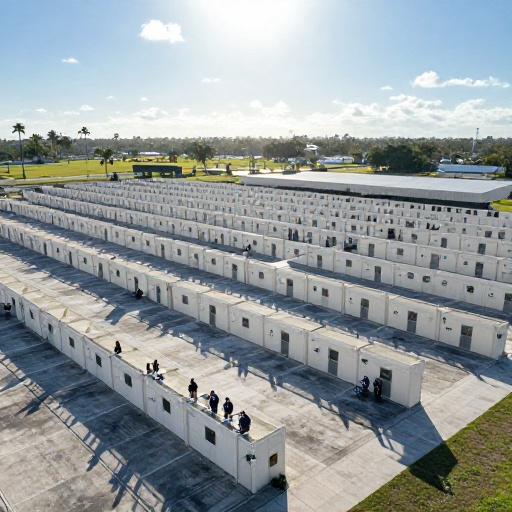
The chambers agreed to allocate $250 million to an emergency fund. This funding allows Gov. Ron DeSantis to cover immigration enforcement operations following his declaration of a state of emergency on the issue. The House had initially preferred only $100 million for this purpose.
Additionally, the legislature moved closer to Senate preferences regarding agriculture by agreeing to more than $200 million for citrus research, specifically settling at $164.5 million. This was a priority for Senate President Ben Albritton, R-Wauchula, who is also a citrus farmer. The deal also includes funding for the Florida State Guard and adjustments to the Job Growth Grant Fund.