Florida GOP Fractured by Data Center Opposition
Rural voters challenge Byron Donalds' tech stance as local moratoriums reshape state politics ahead of primary.
Community resistance to large-scale technology infrastructure is reshaping the political landscape in Florida, fracturing support within the Republican Party ahead of critical primary elections. In Citrus County, residents successfully organized against a proposed 800-acre data center by Deltona Corporation, leading county officials to reject the proposal and approve a one-year moratorium on similar projects. This local victory reflects a broader statewide trend where rural voters are prioritizing environmental and quality-of-life concerns over traditional party loyalty.
Grassroots Opposition Grows
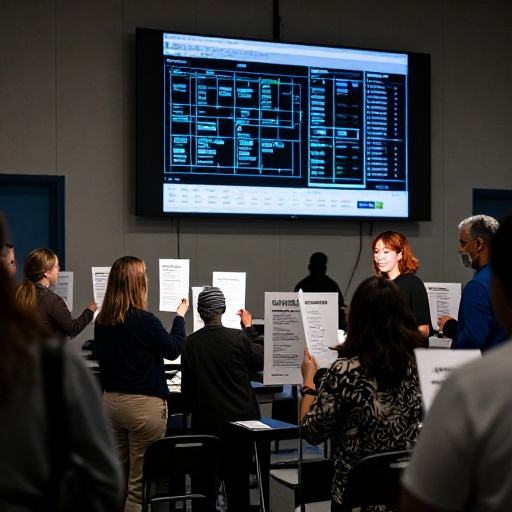
Sandie Slowey, a registered Republican who moved to Hernando from Pennsylvania, became a central figure in the Citrus County fight. After learning of plans for adjacent data centers, she joined other residents to form "No Data Center Citrus," organizing meetings that drew overflow crowds. The group’s efforts resulted in the rejection of Deltona's plan and the implementation of the moratorium.
Similar movements have emerged across multiple counties, including Marion, Escambia, Palm Beach, and Sarasota. In North Port, environmental consultant Robin San Vicente helped create a Facebook group with over 900 members opposing local data center applications due to concerns about water usage, wildlife preservation, and hurricane risks. The city commission is currently considering an 18-month moratorium on such projects.
Political Implications for the GOP
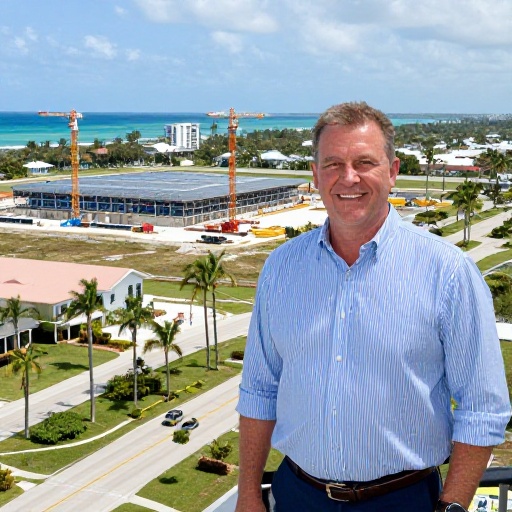
The surge in anti-data-center sentiment has complicated campaigns for leading Republican candidates. U.S. Representative Byron Donalds, a frontrunner for governor, has openly supported technology infrastructure provided regulations are established and accepted significant campaign contributions from developers. This stance contrasts sharply with voters like Slowey, who plan to support Lieutenant Governor Jay Collins or grassroots conservative Bobby Williams in the primary, more context in Florida Primary Elections Highlight Deepening Divide Over Data Center Expansion.
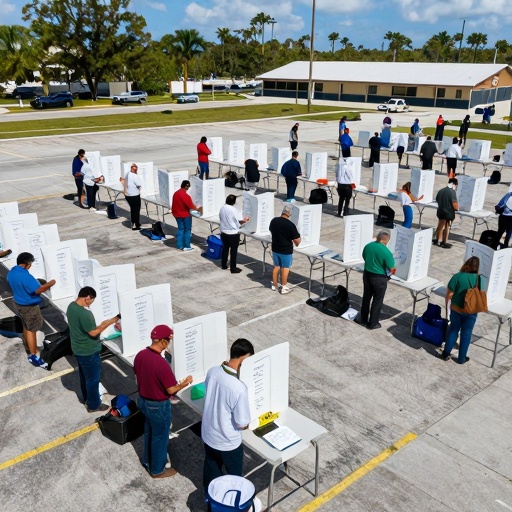
Political analyst Susan McManus described the gubernatorial race as a "bloody primary," noting that eleven Republican candidates are competing for a base increasingly hostile to corporate-backed development. While Donalds is expected to win the nomination, the data center issue may suppress turnout among GOP and independent voters in rural areas.
Shifting Voter Allegiances
The conflict has led some Republicans to consider voting for Democrats or staying home entirely in the general election. Slowey stated she would support Democratic candidate David Jolly, who promised a statewide moratorium citing environmental and economic concerns. As party labels become less relevant than local housing issues, Florida’s political map faces significant uncertainty as voters weigh corporate development against community preservation.