A Tallahassee judge has issued a significant legal setback to Governor Ron DeSantis’s efforts to amend Florida’s property tax laws, ruling that the proposed measure is misleading and cannot appear on the upcoming ballot in its current form. The decision comes late Monday night, halting the immediate implementation of the policy initiative pushed by the governor's office.
Judge Orders Rewrite for Clarity
Florida Judge David Frank determined that the language used in the initial proposal failed to meet legal standards for voter clarity. The ruling mandates a complete rewrite of the amendment text before it can be considered for inclusion on future ballots. This judicial intervention prevents the measure from being presented to voters as originally drafted, effectively pausing its legislative trajectory until specific linguistic and structural corrections are made.
Implications for State Legislative Process
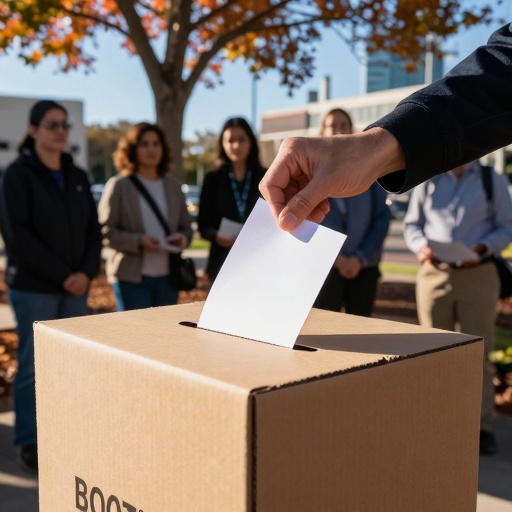
The ruling highlights the rigorous scrutiny applied to constitutional amendments in Florida. For a tax-related amendment to reach the ballot, it must accurately reflect its intended impact without ambiguity or deceptive phrasing. The governor's office had sought to advance this property tax change through direct voter approval, but the court’s decision underscores the necessity of precise legal drafting. Legislative staff will now need to revise the text to ensure compliance with state election codes and judicial precedents regarding ballot language, as we reported in Florida Judge Rules Tax.
Context of Property Tax Debates
This development occurs within a broader context of ongoing debates in Florida regarding property taxation, homestead exemptions, and government revenue. While specific details of the rewritten proposal remain undefined by this ruling alone, the precedent set by Judge Frank emphasizes that transparency is paramount for tax measures affecting residents statewide. The decision serves as a checkpoint in the legislative process, ensuring that any future iteration of the amendment withstands legal review before reaching Florida voters.