Former Florida Governor Ron DeSantis has issued a stark warning to state Republicans, declaring that voters will hold the party accountable if significant property tax reforms are not placed on the November ballot. The intervention highlights the intensifying political pressure within the Sunshine State as homeowners face rising assessment values and increased tax burdens.
High Stakes for the November Ballot
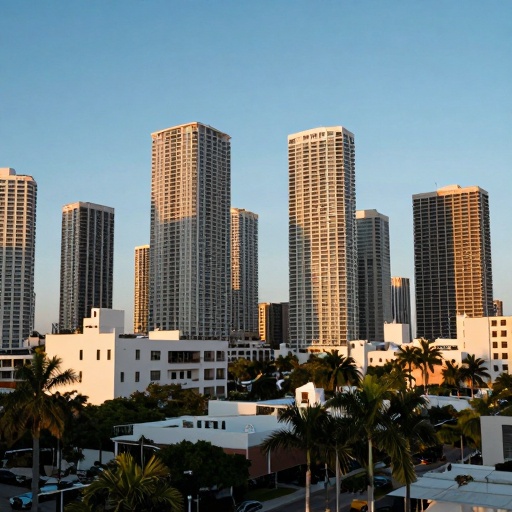
DeSantis's comments underscore a critical juncture for Florida's political landscape, where property tax relief has emerged as a defining issue for the upcoming election cycle. The former Governor's message suggests that the failure to deliver tangible legislative or ballot initiatives addressing these costs could result in severe electoral consequences for Republican incumbents and candidates alike. As property values in major metropolitan areas like Miami, Orlando, and Tampa continue to climb, the urgency for reform has shifted from a policy preference to a political imperative.
Context of Rising Assessments
The warning comes amidst a backdrop of record-breaking property assessments across the state, driven by rapid population growth and a robust real estate market. Many Florida residents have reported substantial increases in their tax bills, sparking widespread frustration and demands for action from Tallahassee. While the state legislature has debated various measures to cap assessments or adjust millage rates, the path to the November ballot remains uncertain. DeSantis's intervention serves as a rallying cry for lawmakers to prioritize this issue before the primary elections conclude, ensuring that voters have a clear mechanism to address their financial concerns.
Implications for Florida Politics
This public stance by DeSantis signals a potential realignment of priorities within the Florida Republican Party, forcing candidates to adopt stronger positions on fiscal conservatism and property rights. The former Governor's influence remains potent, and his warning acts as a reminder that the electorate is closely watching legislative inaction. If the party fails to present a viable solution by November, the resulting voter anger could reshape the political map in key districts, potentially handing victories to challengers or third-party candidates who capitalize on the issue of housing affordability.