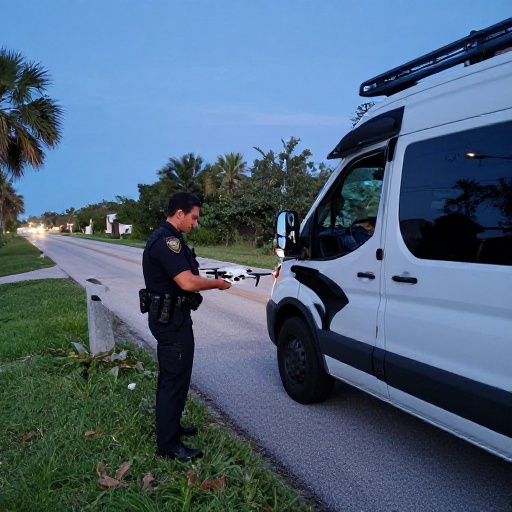
Tallahassee, Fla. — Florida has officially joined a growing list of cities and states responding to the backlash against automated surveillance technology by banning Flock cameras on state roadways. The legislative move addresses mounting concerns from civil liberties advocates and residents regarding the widespread collection of vehicle data by private contractors working alongside law enforcement agencies.
Addressing Privacy Backlash
The prohibition targets specific license plate reader (LPR) systems operated by Flock, a company that has faced scrutiny nationwide for its extensive database tracking. By restricting these devices on state-maintained roads, Florida lawmakers aim to strike a balance between public safety objectives and the protection of individual privacy rights. This decision places the Sunshine State in alignment with other jurisdictions that have recently enacted similar restrictions or moratoriums on automated license plate reading technology, as we reported in Florida Bans Police Surveillance Cameras on State Highways.
Impact on Law Enforcement Operations
The ban affects how law enforcement agencies utilize third-party data sources for investigations and patrol activities. While police departments continue to employ various tools for crime prevention, the removal of Flock cameras from state roads limits access to certain types of automated vehicle tracking data. Officials note that this shift requires a reevaluation of investigative strategies previously reliant on continuous, algorithmic monitoring of license plates across highway networks, as we reported in Florida Bans Police Surveillance Cameras on State Highways.
Broader Legislative Context
This regulatory change reflects a broader national trend where states are reassessing the role of private surveillance firms in public safety. As technology evolves and privacy concerns intensify, legislators are increasingly scrutinizing contracts between government entities and data collection companies. The Florida ban serves as a significant precedent, potentially influencing how other states approach the integration of automated tracking systems into their existing law enforcement frameworks.