 Imagen generada con IA para Politics
Democrats Link Trump’s Wealth to Voter Economic Pain in Midterm Strategy
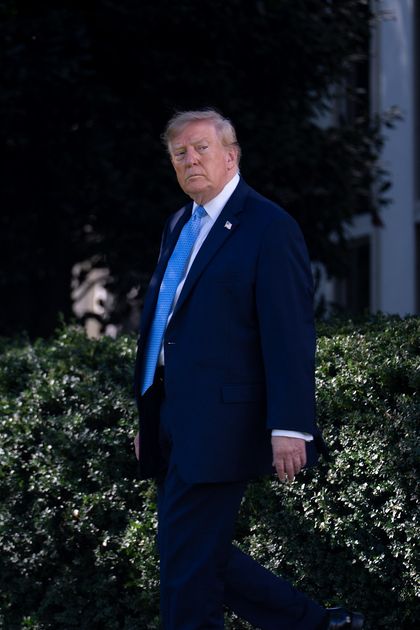
As the 2024 midterm election cycle intensifies, Democratic strategists and campaign committees are increasingly deploying a unified narrative that ties President Donald Trump’s personal financial interests directly to the economic anxieties felt by everyday Floridians. This strategic pivot aims to paint Republican incumbents not merely as political opponents, but as beneficiaries of an economic system that allegedly prioritizes corporate wealth over household stability.
The Core Narrative: Wealth vs. Working-Class Struggle
According to internal communications and public statements analyzed by Civic Coast News, Democratic candidates are focusing heavily on the concept of "corruption election" dynamics. The central thesis is that Republican leaders have enriched themselves while ordinary Americans struggle with inflation, high housing costs, and stagnant wages.
This messaging is particularly potent in Florida, where the cost of living has risen sharply in recent years. Campaign ads in key swing districts now frequently juxtapose images of rising grocery prices with headlines about Trump’s business ventures or the financial holdings of Republican congressional candidates. The goal is to create a direct causal link in voters' minds between GOP policy decisions and their personal economic pain.
"The message is clear: if you vote for Republicans, you are voting for more wealth concentration at the top," said one Democratic strategist speaking on condition of anonymity due to ongoing campaign sensitivities. "We want voters to feel that the system is rigged against them unless they push back."
Florida-Specific Economic Context
The strategy leverages specific data points from Florida’s real estate and insurance markets, sectors where Democratic governors and local officials have faced significant criticism. In Miami-Dade County and along the Gulf Coast, rising property insurance premiums and housing shortages are major voter concerns.
Democratic candidates for state legislature and Congress are highlighting how federal tax policies associated with Trump’s administration allegedly failed to address these localized crises. By framing national Republican economic policy as disconnected from local realities, Democrats hope to erode support among suburban voters who may have previously supported GOP incumbents based on fiscal conservatism.
Recent polling data suggests that while inflation has cooled slightly, the cumulative effect of price increases remains a top concern for Florida households. The Democratic National Committee (DNC) has allocated significant resources to digital advertising in these areas, specifically targeting voters who cite "cost of living" as their primary issue, as this newspaper reported in Trump Promises $5,000 Checks If GOP Retains Control Of Congress.
Republican Response and Counter-Narratives
Republican campaigns have responded by defending Trump’s economic record, pointing to pre-pandemic low unemployment rates and stock market gains. They argue that Democratic policies on regulation and energy production are driving up costs for Floridians.
However, the "corruption" narrative has gained traction in focus groups where voters express skepticism toward traditional political promises. The perception of a disconnect between Washington policy-making and Main Street reality is being exploited by Democrats to question the integrity of Republican candidates’ financial disclosures.
In several congressional districts, Democratic committees have launched investigations into the business dealings of GOP incumbents, alleging conflicts of interest related to federal contracts or regulatory decisions. These actions are designed to reinforce the broader theme that Republicans prioritize personal gain over public service.
Impact on Voter Behavior
Election analysts note that this strategy could significantly impact turnout among independent and moderate voters who feel squeezed by economic pressures. If successful, it may drive down Republican margins in traditionally safe districts while energizing Democratic bases in urban centers like Orlando and Jacksonville.
The effectiveness of this approach will likely depend on the broader national political climate and how effectively Democrats can deliver tangible policy solutions alongside their criticism. As Florida remains a bellwether state, the success or failure of this "wealth vs. pain" narrative may set the tone for midterms nationwide.