 Imagen generada con IA para Politics
Central Florida Elections Guide: Key Dates, Candidates, and Voting Procedures for Upcoming Polls
As Central Florida prepares for its upcoming electoral contests, residents across Orange, Seminole, and Osceola counties are bracing for a competitive season. The region has long served as a bellwether in statewide politics, with voter turnout often determining the margin of victory in critical races. This guide outlines essential information regarding voting procedures, key candidates, and campaign dynamics shaping the political landscape.
Understanding Voting Procedures and Deadlines
Voters in Central Florida must adhere to strict deadlines to ensure their ballots are counted. Early voting typically begins two weeks before Election Day, offering residents flexible options beyond traditional polling places on Tuesday mornings. In Orange County, the Supervisor of Elections office has emphasized the importance of checking voter registration status online prior to casting a ballot.
Seminole and Osceola counties have expanded their early voting locations in recent cycles to accommodate growing populations. Residents are advised to verify their specific precinct assignments through official county portals. Mail-in ballots must be postmarked by Election Day or received within seven days after the election, provided they meet all signature verification requirements.
First-time voters may encounter additional identification requirements under Florida law. Those who have not previously voted in a federal election and did not provide proof of identity with their registration application must present valid ID at the polls. Accepted forms include driver licenses, state IDs, or utility bills bearing the voter’s name and address.
Key Races Shaping Local Policy
The political landscape in Central Florida is defined by several high-stakes contests that will influence regional infrastructure, education funding, and public safety. Statewide races often carry significant weight due to the region's diverse demographic makeup. Candidates for state legislature positions are focusing heavily on economic development initiatives tailored to the tourism-driven economy.
In Orange County, local officials are scrutinizing budget allocations for transportation projects aimed at alleviating congestion along major corridors like Interstate 4 and State Road 528. Campaigns in this district frequently highlight infrastructure improvements as a primary differentiator among candidates. Voters are particularly attentive to how proposed budgets will impact property taxes and public services.
Seminole County presents a competitive environment for county commission seats, where debates over zoning laws and environmental protection measures dominate campaign platforms. Osceola County voters are closely watching races that address housing affordability in the wake of rapid population growth. These local issues often intersect with broader state legislative agendas regarding land use regulations.
Campaign Dynamics and Voter Engagement
Political campaigns in Central Florida have increasingly leveraged digital platforms to reach voters, shifting away from traditional door-to-door canvassing alone. Super PACs and independent expenditure committees are active across the region, spending millions on advertising that highlights candidate records and policy positions, as we reported in Central Florida Voter Guide.
Voter engagement efforts have intensified as both parties seek to mobilize key demographics in suburban areas. Community organizations are hosting town halls and forums to facilitate direct dialogue between candidates and constituents. These events provide opportunities for voters to ask questions about specific legislative priorities, such as education funding and healthcare access.
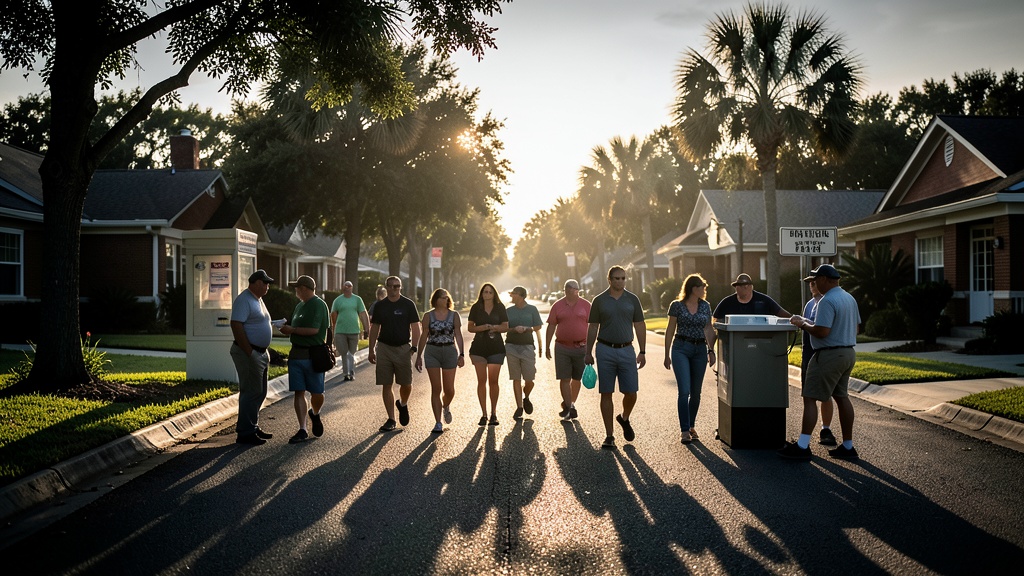
Volunteer networks remain a cornerstone of campaign operations across the tri-county area. Local volunteers are organizing phone banks and data entry teams to track voter sentiment in real time. The effectiveness of these grassroots efforts often determines the margin of victory in closely contested districts, particularly in precincts with high rates of independent voters.
Resources for Informed Decision Making
The Florida Division of Elections provides official resources for verifying candidate information and reviewing sample ballots. Residents are encouraged to utilize these tools to understand the full scope of measures appearing on their specific ballot, including potential referendums and judicial retention elections.
Local news outlets continue to serve as vital sources of unbiased reporting on campaign developments. Fact-checking initiatives have become increasingly important in an era of rapid information dissemination. Voters are urged to cross-reference claims made during debates with verified data from nonpartisan organizations.
Election security remains a priority for county supervisors, who work closely with state agencies to ensure the integrity of voting systems. Regular audits and risk-limiting post-election audits have been implemented to maintain public confidence in the electoral process. These measures are designed to detect any irregularities and provide transparent documentation of vote counts.
As Election Day approaches, Central Florida residents will face a complex array of choices that extend beyond individual candidates to encompass broader policy directions. The interplay between local concerns and statewide trends underscores the significance of every ballot cast in this pivotal region.