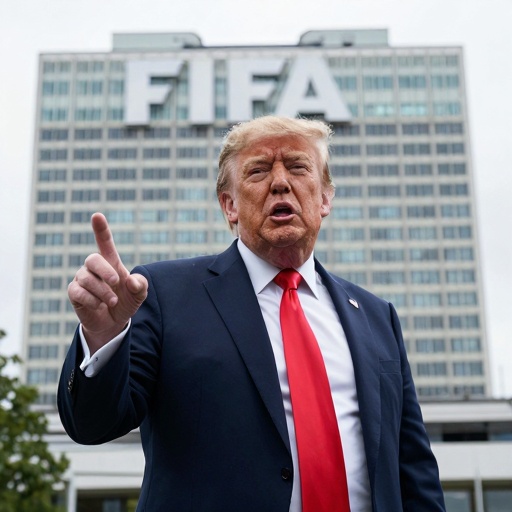
European football's governing body, UEFA (Union of European Football Associations), has issued a strong critique regarding FIFA President Gianni Infantino’s recent proposal to restructure the financial framework surrounding the World Cup. According to reports, Infantino plans to establish a new company valued at $20 billion dedicated to running the tournament. This entity would operate with private investors, notably including members of the Kushner family.
Opposition from European Football Authorities
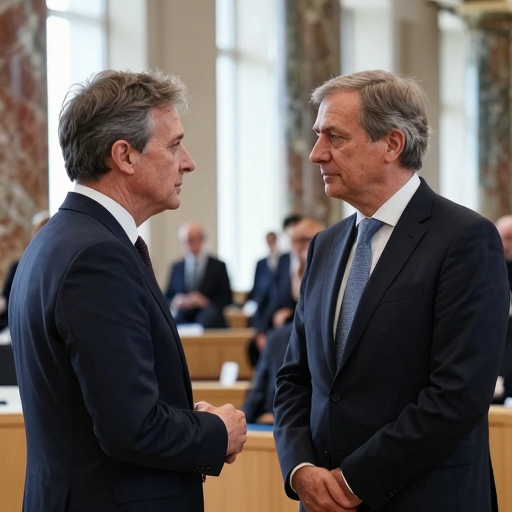
The announcement has triggered immediate pushback from UEFA leadership. The organization represents national football associations across Europe and maintains significant influence over global soccer governance. Critics within the European camp argue that introducing private equity firms into the core operations of the World Cup could fundamentally alter the sport's traditional administrative structure.
UEFA officials have expressed concerns regarding transparency and decision-making processes when commercial interests are deeply embedded in tournament management. The proposed deal marks a significant shift from FIFA’s historical reliance on broadcast rights, sponsorships, and licensing fees without direct equity stakes held by external private families or corporations running the event itself.
Details of the Proposed $20 Billion Entity
The core of Infantino's plan involves creating a standalone corporate vehicle with an estimated valuation of $20 billion. This company would be responsible for managing World Cup operations, leveraging private capital to potentially expand revenue streams or operational efficiency. The inclusion of the Kushner family as investors adds high-profile commercial attention to what is typically a politically charged negotiation between national federations, a story we covered in UEFA Holds Emergency Meeting Over FIFA World Cup Plans.
While specific contractual details regarding equity distribution and voting rights have not been fully disclosed in initial reports, the mere presence of private familial investment raises questions about potential conflicts of interest. FIFA has historically faced scrutiny over its governance models, making this proposal particularly sensitive among member associations worldwide, a story we covered in UEFA Holds Emergency Meeting Over FIFA World Cup Plans.
Implications for Global Soccer Governance
The tension between UEFA and FIFA highlights a broader ideological divide within international soccer administration. European football bodies often prioritize stability, tradition, and collective decision-making through congresses of national associations. In contrast, the proposed model leans toward corporate restructuring akin to major commercial sporting events in North America, more details at Washington Post.
As discussions continue, stakeholders across all confederations are monitoring how this proposal will be received by FIFA member states. The outcome could redefine not only the financial architecture of the World Cup but also the balance of power between European football authorities and the global governing body led by Infantino.