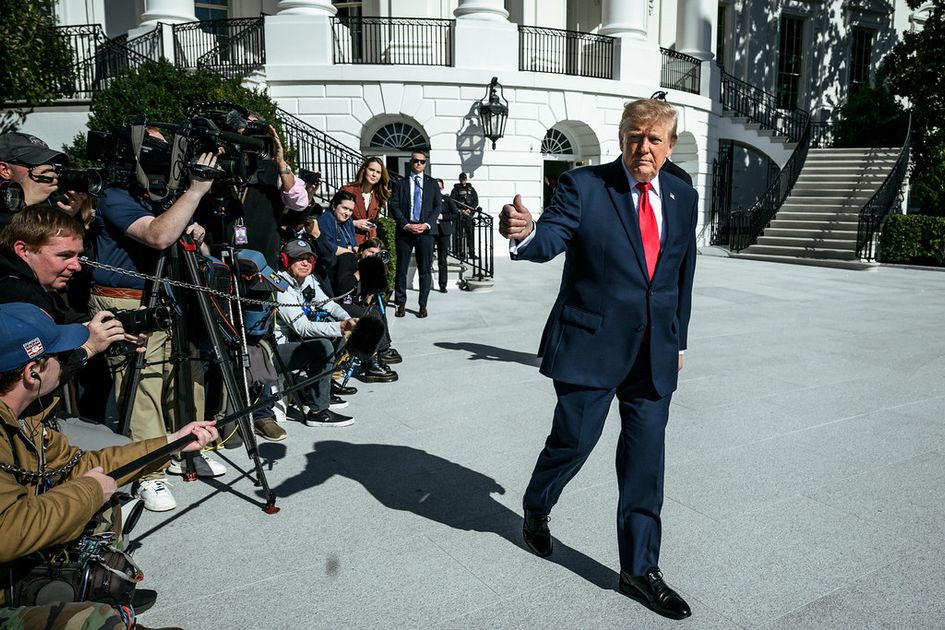
 File photo: Patrick Witty / The White House (public domain)
Trump's Iran War Becomes Midterm Election Roadblock for Republicans
President Donald Trump’s military campaign against Iran, initially characterized as a brief operation lasting only weeks, has evolved into a prolonged conflict that is now significantly impacting the political landscape ahead of the midterm elections. Nearly eight months after the launch of what was described by the administration as a "little detour," rising energy costs and growing voter fatigue are weighing heavily on the electorate. The discrepancy between early promises of a swift resolution and the current reality has created a complex environment for Republican candidates seeking to retain control in Congress.
Economic Strain and Voter Sentiment
The prolonged nature of the conflict has led to tangible economic consequences, particularly in the energy sector. As military engagements continue without the anticipated quick conclusion, fuel prices have risen, affecting households across various demographics. This financial pressure is becoming a central topic in voter conversations, with many constituents expressing concern over the long-term implications of sustained foreign intervention on their daily lives and wallets.
Voter fatigue appears to be setting in as well. The initial public support for military action against Iran has seemingly waned after months of ongoing hostilities without a clear endgame. This shift in sentiment poses a challenge for political operatives who had hoped the conflict would unify voters behind national security efforts, only to find that prolonged engagement is driving disengagement rather than enthusiasm.
Implications for Midterm Elections
The midterm elections are traditionally viewed as a referendum on the sitting president’s performance. In this context, the Iran war has become a double-edged sword. While it may have initially bolstered national security credentials, its duration and economic fallout are now acting as potential roadblocks for Republican candidates. Polling data suggests that energy costs are a primary concern for swing voters, who may look to hold incumbents accountable for the state of the economy, as we reported in Trump Threatens Post.
As the election cycle progresses, the narrative surrounding the war is likely to intensify. Opponents will undoubtedly highlight the gap between early predictions and current realities, using the economic strain as evidence of mismanagement or strategic failure. For Republicans, navigating this political terrain requires addressing not just foreign policy outcomes but also the immediate financial burdens faced by voters in key districts.