Trump Warns NATO Allies Over Defense Spending as Iran Conflict Reshapes Diplomacy
President signals delay of China visit, pressures European allies to increase military commitments amid ongoing Iran tensions
President Donald Trump issued a stark warning to NATO allies on Monday, reiterating his demand that member nations increase their defense spending while simultaneously signaling that the ongoing conflict with Iran is reshaping his diplomatic calendar. The president confirmed he is looking to delay his planned visit to China by "a month or so" as military operations in the Middle East take priority.
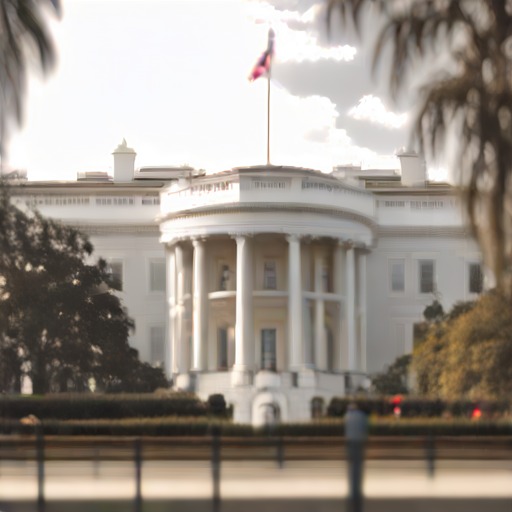
"It's very simple. We've got a war going on. I think it's important," Trump told reporters at the White House, framing the postponement as a necessary adjustment to rapidly evolving geopolitical circumstances.
Iran Conflict Drives Diplomatic Recalculations
The president's remarks underscore how the military engagement with Iran has become the dominant force shaping U.S. foreign policy decisions in recent weeks. What began as escalating tensions has evolved into an active conflict that is now dictating the pace and direction of American diplomatic engagements worldwide.
Trump's decision to potentially push back the China visit — a trip that had been anticipated as a critical moment in trade negotiations between the world's two largest economies — signals that the administration views the Iran situation as requiring the president's sustained attention. The delay could have ripple effects on trade discussions and broader U.S.-China relations at a time when both nations have been navigating a complex economic relationship.
Administration officials have not provided a specific new timeline for the China trip, though Trump's suggestion of a one-month delay would push any visit into the late summer or early fall period. The White House has emphasized that the postponement reflects prioritization rather than any deterioration in the U.S.-China dialogue.
NATO Allies Face Renewed Pressure on Defense Spending
In the same set of remarks, Trump returned to one of his most persistent themes: the defense spending levels of America's NATO partners. The president has long argued that European allies have not carried their fair share of the collective defense burden, and the current conflict with Iran has given him new ammunition in that argument.
Trump suggested that the ongoing military operations demonstrate precisely why NATO members need to invest more heavily in their armed forces. The alliance's current guideline calls for member nations to spend at least 2% of their gross domestic product on defense, a target that many European nations have historically failed to meet.
"Our allies need to step up. We're fighting, we're protecting, and they need to be doing more. It's not fair to the American taxpayer," Trump said, echoing language he has used consistently since his first term in office.
Several NATO nations have increased their defense budgets in recent years, partly in response to Russia's invasion of Ukraine and partly due to sustained American pressure. However, Trump has previously suggested that even the 2% target is insufficient, at times calling for members to spend 3% or more of GDP on their militaries.
The renewed pressure comes at a sensitive moment for the transatlantic alliance, which is simultaneously managing the ongoing security situation in Eastern Europe, counterterrorism operations, and now the implications of a U.S.-Iran conflict that could draw in additional regional actors, as this newspaper reported in Trump Weighs Escalation as Iran Readies Ground Forces.
Broader Foreign Policy Implications
Analysts say Trump's comments reflect a White House that is being forced to triage its foreign policy priorities in ways that could have lasting consequences. The delay of the China visit, in particular, raises questions about whether key economic agreements could be pushed back or altered as a result of the shifting focus.
"When a president postpones a major diplomatic engagement because of a military conflict, it sends a signal to every capital in the world about where American attention is focused," said one foreign policy analyst who spoke on condition of anonymity to discuss sensitive diplomatic dynamics. "Beijing will be watching very carefully to see what this delay means for the broader relationship."
Meanwhile, European leaders are likely to view the renewed NATO spending demands through a complicated lens. While many acknowledge the need for greater investment in collective defense, the framing of the demand during an active military conflict that some allies have expressed reservations about could create friction within the alliance.
Domestic Political Landscape
On the domestic front, Trump's handling of the Iran conflict and his management of multiple international challenges simultaneously are likely to feature prominently in political discourse heading into the 2026 midterm election cycle. Congressional leaders from both parties have been closely monitoring the situation, with some Democrats calling for greater transparency about military operations and their projected costs.
Republican allies of the president have largely rallied behind his approach, arguing that decisive action against Iran was necessary and that pressing NATO allies on defense spending is a long-overdue correction in burden-sharing.
As the administration navigates these overlapping challenges, the coming weeks will be critical in determining whether the Iran conflict can be contained or whether it will continue to expand its influence over virtually every aspect of American foreign policy and diplomacy.