Trump Urges Putin to 'Make a Deal' as Ukraine War Hopes Rise
Ukrainian President Volodymyr Zelensky reports positive diplomatic momentum following meetings with U.S. and G7 leaders.
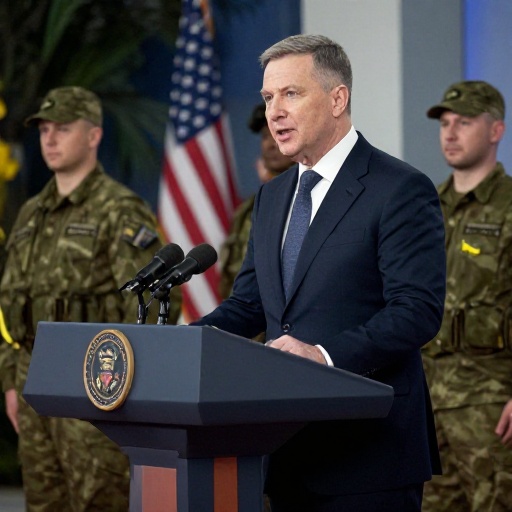
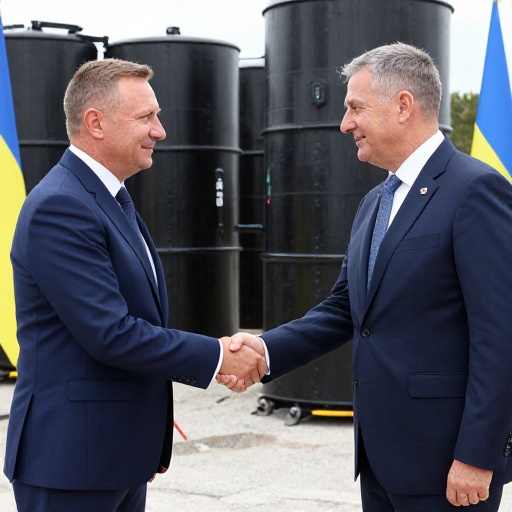
President Donald Trump has publicly urged Russian President Vladimir Putin to "make a deal" to bring an end to the ongoing conflict in Ukraine, signaling a potential shift in diplomatic pressure. This statement coincides with reports from Ukrainian President Volodymyr Zelensky that his recent interactions at the Group of Seven (G7) summit were highly productive. Zelensky described his meetings as "very good," noting that G7 leaders have collectively agreed on the assessment that Putin is not winning the war, thereby boosting international hopes for a negotiated resolution to the prolonged military engagement.
Diplomatic Momentum at the G7 Summit
The recent gathering of world leaders has served as a critical platform for discussing the future trajectory of the Ukraine-Russia conflict. According to statements released by Zelensky’s office, the consensus among G7 members is that Russian forces have failed to achieve their strategic objectives on the battlefield. This unified stance provides Kyiv with significant diplomatic leverage in any subsequent peace talks.
Zelensky emphasized the quality of his direct engagements during the summit, highlighting a sense of solidarity among Western allies. The Ukrainian leader’s description of the meetings as "very good" suggests that key partners are aligned on the necessity for Russia to engage in serious negotiations rather than continuing military operations without diplomatic progress.
Trump's Direct Appeal to Moscow
In a move that has drawn global attention, President Trump directly addressed Vladimir Putin, calling on him to finalize an agreement. This direct communication style marks a distinct approach from previous administrations and underscores the current administration’s prioritization of ending the conflict through decisive diplomatic pressure.
The call for a deal comes at a time when international observers are closely monitoring the battlefield dynamics in Eastern Europe. By framing the situation as one where Putin is "not winning," Trump and his G7 counterparts are attempting to alter the calculus for Moscow, suggesting that continued resistance will not yield favorable outcomes, a story we covered in Zelensky Warns Wartime Elections Would Destroy Ukraine.
Implications for Future Negotiations
The alignment between U.S. policy under President Trump and the collective stance of G7 leaders creates a unified front in diplomatic circles. For Ukraine, this unity is crucial as it reduces the risk of fragmented support or conflicting messages from Western allies.
While no specific timeline for peace talks has been established, the combination of battlefield assessments by G7 nations and direct appeals from Washington indicates that 2024 may see intensified efforts to broker a ceasefire. The focus now shifts to whether Putin will respond to these combined pressures with concrete offers or continue his current military strategy.