Trump Terminates NBC Interview Over Dispute Regarding Election Integrity Claims
Former President Donald Trump cut short his appearance with MSNBC's Kristen Welker following heated exchanges about alleged election fraud.
Former President Donald Trump abruptly ended a scheduled interview on MSNBC after escalating tensions regarding the 2024 presidential election and allegations of media bias. The confrontation occurred during an exclusive segment intended to discuss current political dynamics, but it quickly devolved into accusations against the network's editorial standards.
In a move that has drawn immediate attention from national news outlets, Trump accused host Kristen Welker of representing a "one-sided crooked network" before severing ties with the broadcast. This incident marks another significant moment in the ongoing friction between the former president and major media organizations as he campaigns for the White House.
Escalation Over Election Integrity Allegations
The interview, which was promoted heavily by both parties prior to its airing, took place in a studio setting where Welker sought clarification on Trump's continued claims of widespread fraud in previous elections. According to reports from Politico and other major wire services, the discussion turned contentious when Welker pressed for specific evidence supporting these long-standing assertions.
Trump responded by rejecting the premise of the questioning entirely, stating that he would not participate in a dialogue with what he termed an illegitimate platform. He argued that the network had consistently misrepresented his positions and failed to provide balanced coverage during his previous tenure as commander-in-chief.
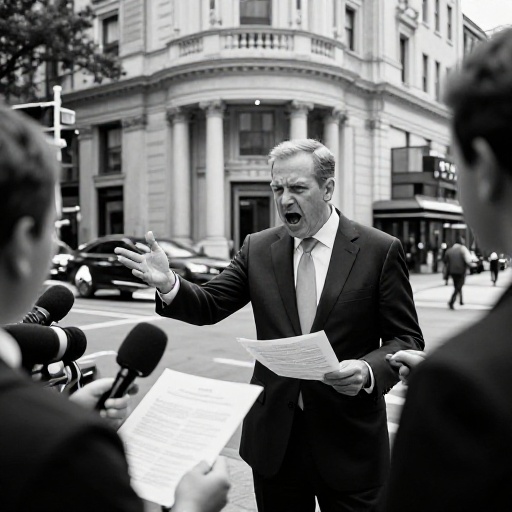
The former president declared: "You're a one-sided crooked network," before walking away from the set, effectively terminating the interview mid-stream.
This statement echoes rhetoric Trump has utilized frequently throughout his political career to describe mainstream media outlets he believes are hostile toward his administration or campaign. The abrupt departure left Welker on air with no further questions and highlighted the deepening divide between the Republican frontrunner and established journalistic institutions.
Impact on Florida's Political Landscape
The fallout from this televised dispute is expected to resonate strongly within Florida, a pivotal battleground state that has become central to Trump's 2024 campaign strategy. As the former president maintains a strong base of support in the Sunshine State, his interactions with national media often influence local political discourse and voter sentiment.
Florida politicians from both parties are likely to reference this incident as they navigate their own relationships with news organizations covering state legislature sessions in Tallahassee or local issues ranging from immigration enforcement to hurricane preparedness. The event underscores the high stakes of media relations for candidates seeking to control their narrative ahead of the November election.
Furthermore, Florida's unique media market, which includes a dense concentration of national news bureaus and major broadcast networks headquartered in Miami-Dade County, makes such confrontations particularly visible. Local observers note that these moments often serve as flashpoints for broader debates about press freedom and political accountability within the state, more context in Trump Attacks Female Reporter Over Voting Reform Questions.
State officials have not yet issued formal statements regarding the interview's termination, but the incident is likely to be discussed in upcoming town halls and campaign events across the peninsula from Jacksonville to Key West. The tension between populist rhetoric and traditional journalism remains a defining feature of Florida's political climate today.
National Implications for Media Relations
Beyond state lines, this incident adds another chapter to the complex relationship between former President Trump and the American press corps. It reinforces a pattern where high-profile interviews frequently end in acrimony rather than substantive policy discussion, complicating efforts by journalists to extract clear answers on critical issues.
Media analysts suggest that such walkouts may be calculated strategic moves designed to dominate news cycles with controversy while avoiding detailed scrutiny of specific policies or past actions. By controlling the narrative through dramatic exits, political figures can often shift public attention away from challenging questions toward their own framing of media bias.
The reaction from other major networks remains divided, with some outlets criticizing Trump's behavior as undemocratic and others praising his refusal to engage on what they view as predetermined terms. This polarization reflects the broader societal split evident in polling data across the nation regarding trust in institutions.
As the 2024 election cycle intensifies, incidents like this will likely become more frequent, forcing newsrooms from Miami-Dade County to rural Alabama counties to adapt their strategies for covering a candidate who fundamentally rejects traditional journalistic norms. The long-term impact on public discourse and democratic engagement remains uncertain.