Trump Meets Lula at White House Amid 50% Brazil Tariffs
US President hosts Brazilian leader in high-stakes diplomatic talks following significant trade barriers imposed last year.
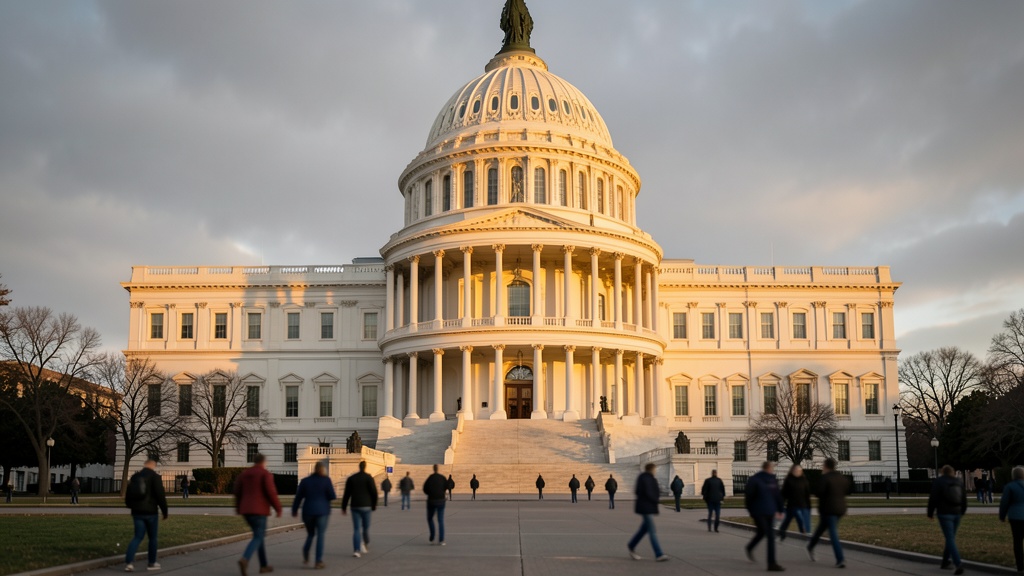
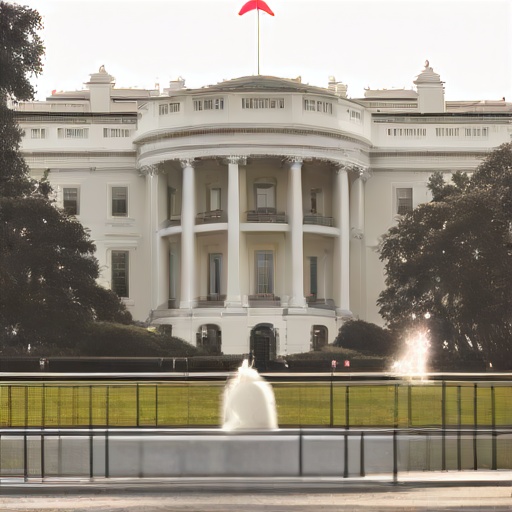
President Donald Trump is scheduled to hold a meeting with Brazilian President Luiz Inácio Lula da Silva at the White House, marking a significant diplomatic engagement between the two nations. This high-level discussion comes against the backdrop of substantial trade tensions, specifically after the Trump administration imposed a 50% tariff on Brazilian products last year. The meeting aims to address these economic frictions and redefine the bilateral relationship between Washington and Brasília.
Diplomatic Engagement Amid Trade Disputes
The upcoming White House summit represents a critical juncture in US-Brazil relations. The imposition of the 50% tariff last year by the Trump administration created a complex economic environment for Brazilian exporters. By agreeing to meet, both leaders signal a willingness to engage in direct dialogue to potentially resolve or mitigate these trade barriers. The timing of the meeting suggests that economic diplomacy is a primary agenda item, with implications for global supply chains and international trade policies, as this newspaper reported in Trump Pauses 50% Tariffs on Canada for Three Days.
Implications for Bilateral Relations
While specific details of the agenda remain undisclosed, the context of the 50% tariff suggests that trade policy will be a central topic of conversation. The relationship between the United States and Brazil has historically been influenced by economic ties, agricultural exports, and environmental policies. The resolution of these tariff issues could have far-reaching effects on Brazilian industries and US consumers. Analysts note that such high-profile meetings often serve as a precursor to broader policy shifts or trade agreements that could reshape the economic landscape for both countries in the coming months.