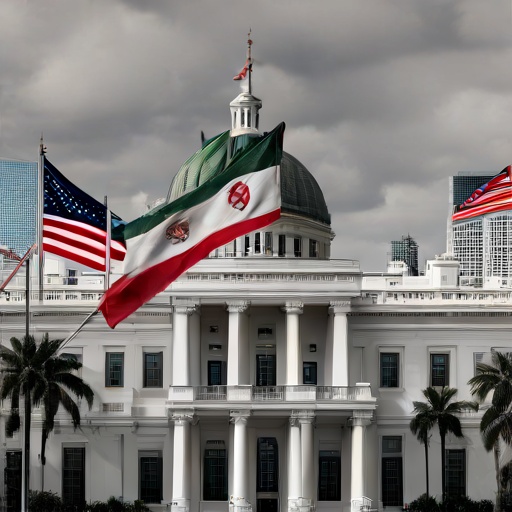
Trump Delays Iran Strike as Diplomacy Intensifies
President postpones major military action on Iran at request of Gulf allies seeking a diplomatic resolution to the nuclear standoff.
President Donald Trump announced Monday that he has delayed a planned major military strike against Iran, citing requests from key Gulf allies who believe a diplomatic agreement is within reach. Speaking at a Healthcare Affordability event, the President confirmed that Saudi Arabia, Qatar, and the United Arab Emirates asked him to postpone the operation for a few days to allow negotiations to proceed. This decision marks a significant shift in immediate military posture, prioritizing diplomatic channels over kinetic action at this specific juncture.
Allies Push for Diplomatic Resolution
According to reports, the delay was not unilateral but driven by regional partners who felt they were close to securing a deal with Tehran. Trump stated that these countries approached him directly, urging a pause in hostilities. "Well, other countries have come to me, and they’ve said we were getting ready to do a very major attack tomorrow," Trump told reporters. He explained that he agreed to put the strike off for a short period, hoping it might last "forever," but acknowledging it could be just a temporary pause.
The primary objective of these diplomatic efforts, as outlined by the President, is to prevent Iran from acquiring a nuclear weapon. Trump emphasized that the discussions with Tehran are ongoing and that the outcome of these talks will determine the future of U.S. military involvement in the region. The involvement of Saudi Arabia, Qatar, and the UAE highlights the critical role Gulf states play in shaping U.S. foreign policy in the Middle East, particularly regarding containment strategies for Iranian influence.
Military Readiness Remains High
Despite the delay in offensive operations, the U.S. military remains on high alert. The administration has maintained that forces are ready at the "moment’s notice" should diplomatic efforts fail. This dual approach of pursuing talks while maintaining military readiness serves as both a deterrent and a bargaining chip in negotiations. The situation underscores the delicate balance the U.S. must maintain between demonstrating strength and leaving room for diplomatic off-ramps, as we reported in Trump Halts Planned Strike on Iran Amid Diplomatic Breakthrough.
The potential for a deal hinges on whether Tehran agrees to terms that effectively halt its nuclear program. If successful, the delay could prevent a broader regional conflict. However, if negotiations break down, the military option remains on the table. The international community watches closely as the U.S. navigates this complex geopolitical landscape, with the outcome potentially reshaping alliances and security dynamics in the Persian Gulf for years to come.