Trump Calls Iran Conflict a 'Mini War' Amid Economic Claims
At a small business event, the former president asserts national economic strength despite ongoing geopolitical tensions in the Middle East.
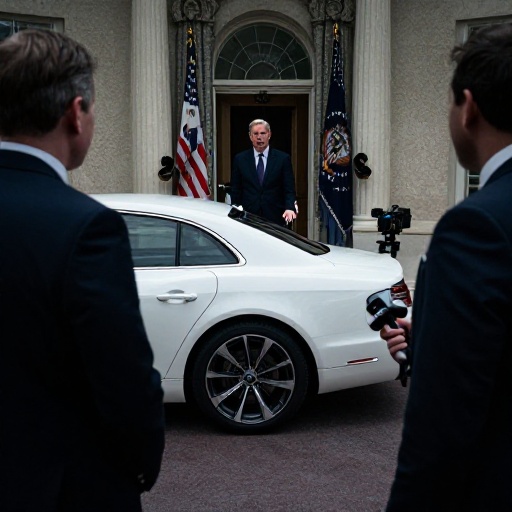
Former President Donald Trump characterized the recent military escalation with Iran as a "mini war" on Monday, while simultaneously asserting that the United States economy is booming. Speaking at an event dedicated to celebrating small business owners, Trump emphasized the necessity of strong leadership to navigate these complex global challenges. His remarks highlight a dual narrative of economic optimism and military vigilance as the administration addresses foreign policy shifts.
Geopolitical Tensions and Economic Outlook
During the address, the former president drew a direct line between national security and economic stability. By labeling the conflict in Iran as a "mini war," Trump acknowledged the severity of the situation while attempting to frame it as a manageable challenge that has not derailed American prosperity. This rhetoric suggests a strategy of minimizing public alarm regarding international conflicts while maintaining a posture of strength. The event served as a platform to reassure domestic stakeholders that the country remains resilient despite external pressures.
Leadership and Small Business Focus
A central theme of Trump's speech was the critical importance of personnel in government. "We have to make sure we have the right people leading this country," Trump stated, underscoring his belief that effective governance is the key to overcoming both economic hurdles and military conflicts. The choice of a small business gathering as the venue signals an effort to connect national security policies directly to the concerns of local entrepreneurs. The message conveyed was that the right leadership ensures that the "mini war" does not translate into economic stagnation for American businesses, a story we covered in Trump Says U.S. Paused Attacks on Iran at Tehran's Request.
"We have to make sure we have the right people leading this country."
The comments come at a time when global markets are closely watching developments in the Middle East. While the source material does not provide specific economic data regarding the current state of the market, the former president's assertion of a "booming" country serves as a counter-narrative to potential anxieties about oil prices or supply chain disruptions. This approach aligns with a broader political strategy of projecting confidence to voters and investors alike.