Trump Warns of Forceful Response to Hormuz Interference
President-elect vows to guide stranded tanker operations while threatening consequences for regional disruptions.
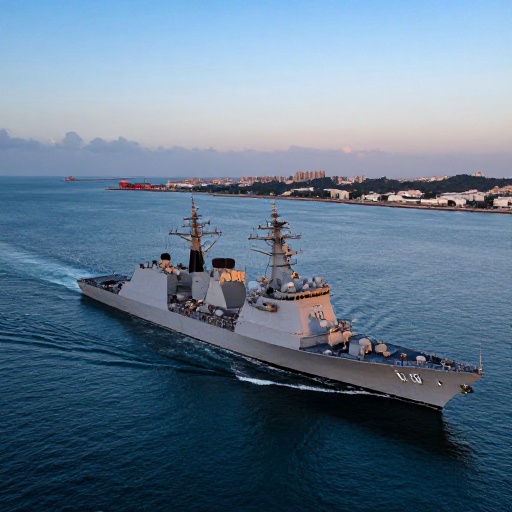
President-elect Donald Trump has issued a stern warning to any nation or entity attempting to interfere with United States operations in the Strait of Hormuz, stating that such actions would be met with a forceful response. The declaration comes as the U.S. moves to assist a stranded tanker in the critical waterway, though details regarding the specific mechanics of the rescue plan remain scarce. This development underscores the heightened geopolitical tension in the Middle East as Washington seeks to reassert its influence over global energy transit routes.
Strategic Ambiguity in the Gulf
While the President-elect emphasized the necessity of a robust American presence, he provided few specifics on how the proposed guidance for the stranded vessel will be executed. The lack of operational detail has left regional analysts and international observers speculating on the immediate tactics the incoming administration might employ. The Strait of Hormuz remains a chokepoint for a significant portion of the world's oil supply, making any disruption there a matter of global economic and security concern. Trump's rhetoric suggests a shift toward a more assertive posture, aiming to deter potential adversaries without committing to a specific military timeline.
Implications for Regional Stability
The warning carries significant weight given the history of volatility in the Persian Gulf. By framing potential interference as an act requiring a forceful countermeasure, the administration signals a zero-tolerance approach to threats against U.S. interests or allied shipping. This stance is intended to reassure allies in the region while simultaneously pressuring state and non-state actors to de-escalate tensions. However, the ambiguity surrounding the actual deployment of resources raises questions about the readiness of U.S. forces to execute such a mission immediately following the transition period, more context in Trump Reverses Stance on Hormuz Tolls Amid Iran War Struggles.
"Any interference with US operation in Hormuz will have to be dealt with forcefully," Trump stated, highlighting the administration's resolve to protect maritime commerce.
As the situation evolves, the focus remains on the stranded tanker and the broader implications for energy markets. A successful U.S. intervention could stabilize the immediate crisis, but the long-term strategy for maintaining freedom of navigation in the strait remains under development. The international community watches closely, aware that any miscalculation in this volatile corridor could trigger a wider conflict with far-reaching consequences for global trade and security.