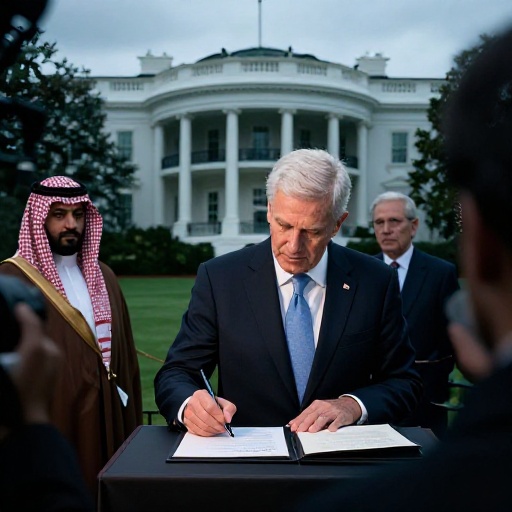
The Trump administration has officially approved the sale of dozens of F-35 fighter jets to Saudi Arabia, a move that values the proposed deal at $24.3 billion. This significant authorization represents one of the largest arms transactions involving advanced military technology in recent years. The request for these warplanes was made directly by Muhammad bin Salman, the Crown Prince of Saudi Arabia, who sought Donald Trump's approval for the acquisition.
Strategic Military Cooperation
The sale underscores a deepening strategic partnership between Washington and Riyadh. By approving this deal, the administration is facilitating the transfer of fifth-generation stealth aircraft to one of its key allies in the Middle East. The specific details regarding the number of jets included in the $24.3 billion package were not fully detailed in initial reports, but the scale indicates a major expansion of Saudi air power capabilities, as we reported in How Donald Trump Leveraged a Qatari Gift to Reshape Middle East Diplomacy.
Geopolitical Context and UN Findings
This arms deal occurs against a backdrop of heightened geopolitical scrutiny regarding Iran. Concurrently, a United Nations panel has cited possible war crimes in Iran. While the specific allegations have not been detailed in this brief report, the mention by international observers adds complexity to the diplomatic landscape surrounding Saudi Arabia's regional security posture, a story we covered in How Donald Trump Leveraged a Qatari Gift to Reshape Middle East Diplomacy.
The combination of major U.S. arms sales and UN scrutiny highlights the volatile nature of current Middle Eastern affairs. The Trump administration’s decision moves forward with military modernization efforts for its Gulf ally despite broader international concerns about conduct in the region. Further details on the implementation timeline and delivery schedules for these F-35 units are expected to follow as the Department of Defense processes the final agreements.