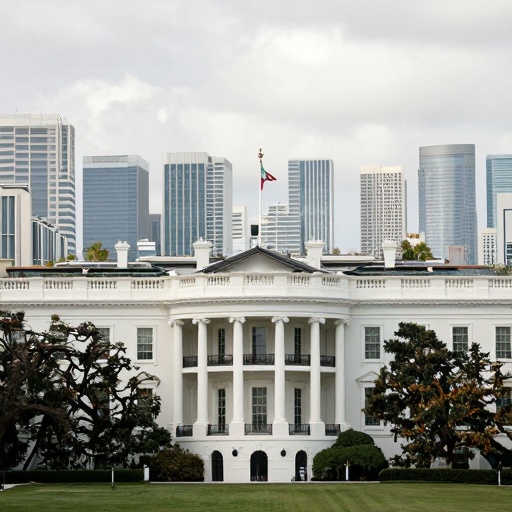
President Donald Trump is scheduled to meet with Israeli Prime Minister Benjamin Netanyahu at the White House on Tuesday, a diplomatic engagement that has sparked significant concern among some of his closest political allies. The upcoming summit focuses heavily on discussions regarding Iran, the ongoing situation in Lebanon, and potential expansions or implementations related to the Abraham Accords. However, rather than viewing these talks as purely constructive, several prominent figures within Trump's inner circle have expressed alarm, characterizing the diplomatic push as "a disaster for America First." Their primary apprehension centers on the fear that engaging deeply with Israeli strategic interests in this manner will inadvertently pull the United States deeper into a broader military conflict with Iran.
Concerns Over Regional Escalation
The core of the criticism from Trump allies lies in the perceived risk of entanglement. As detailed by sources close to the administration's internal debates, there is a prevailing worry that supporting Israeli positions on Lebanon and confronting Iranian influence could trigger a wider regional war. The "America First" doctrine, which has been a cornerstone of the president’s foreign policy platform, emphasizes avoiding unnecessary overseas military commitments. Critics argue that this specific meeting structure does not adequately address how to prevent U.S. forces from being drawn into direct combat operations stemming from Israeli actions in Lebanon or Iranian proxy conflicts, more context in Kilmeade Claims Trump Aware Public Opposes Iran War.
The Abraham Accords Context
While the immediate threat of war with Iran dominates the conversation among these allies, the agenda also includes discussions on the Abraham Accords. These agreements, which normalized relations between Israel and several Arab nations, have been a significant diplomatic achievement for the Trump administration. However, the intersection of normalizing ties in the Middle East while simultaneously navigating heightened tensions with Tehran creates complex geopolitical challenges. The White House meeting aims to align U.S. policy with Israeli security concerns regarding Iranian nuclear capabilities and regional destabilization efforts, as this newspaper reported in Trump Weighs Escalation as Iran Readies Ground Forces.
Implications for Future Policy
The reaction from Trump allies highlights a fracture within his political coalition regarding foreign interventionism. While the administration seeks to strengthen alliances in the Middle East, the fear remains that diplomatic overtures may be interpreted as preconditions for military escalation by adversaries like Iran and its proxies in Lebanon. As the Tuesday meeting approaches, observers will watch closely whether the White House can articulate a clear strategy that protects American interests without expanding existing conflicts into a larger, more dangerous theater of war.