WASHINGTON — The Trump administration is moving forward with a proposal to allow married couples with a stay-at-home spouse to collect federal childcare subsidies, according to people familiar with the discussions. This policy shift, championed by Vice President JD Vance, would utilize funds from a Health and Human Services Department program originally created in the 1990s to assist low-income working parents. The change aims to create the first federal subsidy specifically designed to pay parents to stay home and raise their children.
Redirection of Federal Funds
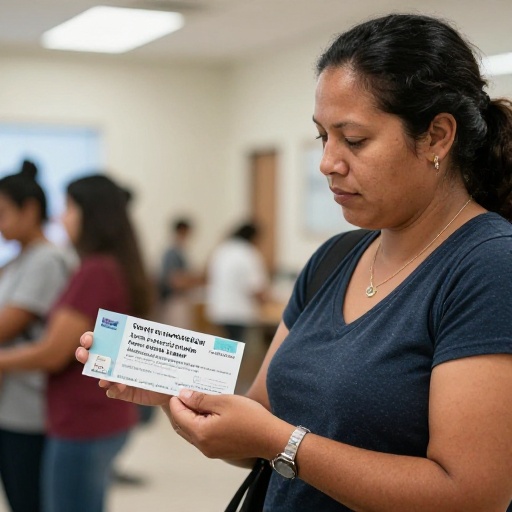
Under the draft rule, families could benefit from a program that typically provides approximately $9,000 per child each year. The proposal would effectively redirect money away from working parents and childcare providers, potentially causing some to raise rates or close operations. Critics argue this shift could exacerbate an existing childcare crisis in the United States. According to Health Department data, about 80% of the 870,000 families currently receiving these subsidies are single working parents, most of whom are mothers, as this newspaper reported in Trump’s Census Overhaul Would Exclude Immigrants, Remove Race Questions.
Political Context and Legal Scrutiny
The initiative is viewed as a top priority for Vice President Vance, who has long advocated for policies promoting traditional family structures. In 2021, Vance co-wrote an opinion essay arguing that daycare can harm children and declaring that young children are healthier when cared for at home by parents. The plan aligns with provisions in Project 2025, a conservative blueprint published by the Heritage Foundation before Trump’s return to office, a story we covered in Trump Accounts Launch.
However, the proposal faces potential legal hurdles. Some department lawyers have questioned the legality of requiring recipients to be married and raised concerns about increased fraud risks since funds would go directly to individuals rather than businesses. The rule could take effect as soon as next year if approved by the White House and posted for public comment.