The U.S. Supreme Court has cleared the path for an executive order by former President Donald Trump that restricts mail-in voting, a decision that ignites fresh debates over election integrity and voter access across the nation.
Simultaneously, federal authorities are preparing for what could be the largest mass visa revocation in American history. This administrative move comes as diplomatic tensions escalate with Canada, which has announced plans to impose retaliatory tariffs on U.S. goods.
Voting Access and Executive Authority
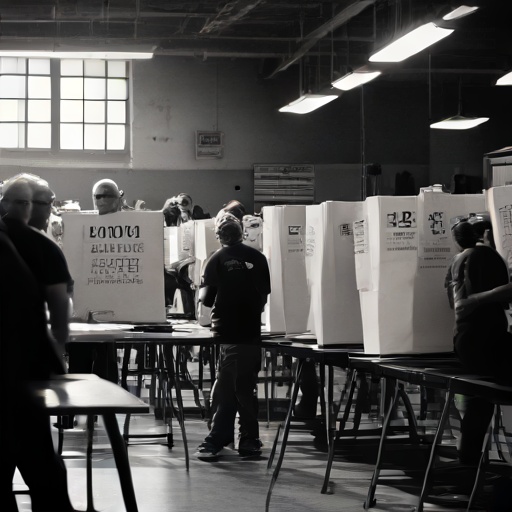
The Supreme Court's ruling effectively removes legal barriers that had previously stalled the implementation of Trump’s directive regarding mail-in ballots. The order seeks to tighten requirements for voter identification and ballot verification processes in federal elections.
Legal experts note that this decision shifts the burden back onto state election officials to interpret and enforce new guidelines. Critics argue the move could disenfranchise minority voters, while supporters claim it is necessary to prevent fraud.
The ruling does not immediately invalidate existing mail-in voting systems but allows states to adjust their procedures in compliance with the federal directive. Several Republican-led states have already signaled intent to revise their election codes accordingly.
Historic Visa Revocations
In a separate development, U.S. immigration authorities are preparing for an unprecedented wave of visa cancellations. Reports indicate that up to hundreds of thousands of visas may be revoked as part of a broader security review.
This action targets individuals whose background checks have raised concerns under updated federal standards. The scale of the revocation represents a significant shift in immigration enforcement strategy aimed at enhancing national security protocols.
Advocacy groups have expressed concern about the logistical challenges and humanitarian impact of such widespread cancellations. Legal teams are reportedly preparing to challenge the scope of these revocations in lower courts.
Tensions with Canada
Diplomatic relations between Washington and Ottawa face new strain as Canada prepares to announce retaliatory tariffs on American products. The move responds to recent U.S. trade policies that Canadian officials argue unfairly disadvantage their manufacturing sector.
Canadian Prime Minister Justin Trudeau’s government has indicated that the tariffs will target specific industries, including agriculture and automotive parts. These sectors are critical to both economies, raising fears of supply chain disruptions.
The announcement underscores growing friction over trade agreements and border security measures. Economists warn that prolonged disputes could impact consumer prices in both nations.