Senate Reverses Vote on Limiting Trump's War Powers Over Iran
Legislators undo previous rebuke following tense White House meeting with Republican leadership regarding executive authority.
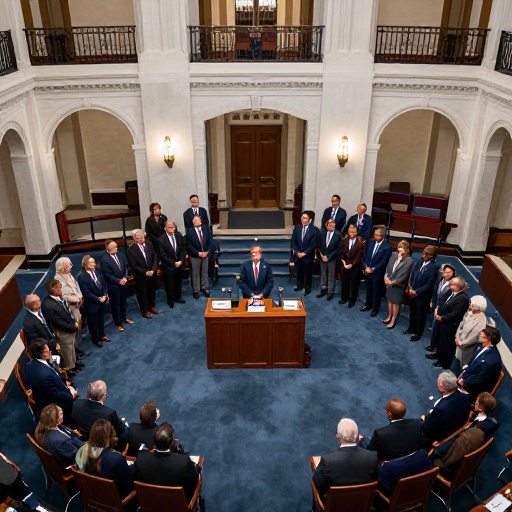
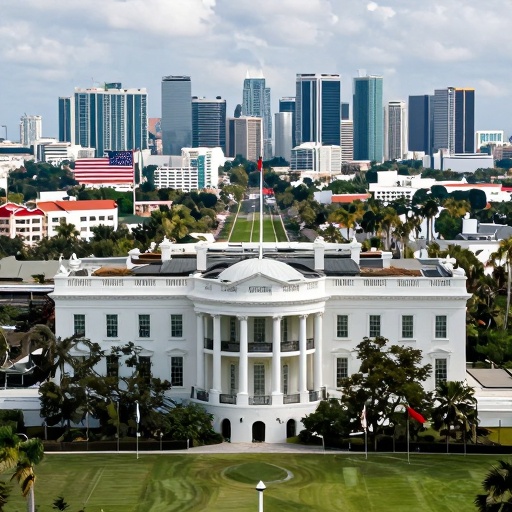
The United States Senate has voted to reverse its previous decision that sought to limit President Donald Trump’s war powers regarding military operations in Iran. This procedural reversal comes shortly after a tense and highly publicized meeting between the President and Senate Republicans, which focused heavily on his broader political agenda and the scope of executive authority.
Reversal of Legislative Action
The legislative maneuver effectively undoes a vote that took place earlier in the week. On Tuesday, senators had passed a measure intended to reign in presidential power over military engagements without explicit congressional approval. However, political pressure and negotiations following the White House summit led lawmakers to retract their support for the restriction.
Tensions Between Executive and Legislative Branches
The shift in Senate position highlights the ongoing friction between the legislative branch and the Trump administration regarding national security decisions. The recent meeting served as a critical juncture where Republican leadership addressed concerns over presidential power. While specific details of the negotiations remain private, the outcome suggests that party loyalty and strategic alignment with the White House agenda outweighed previous bipartisan efforts to check executive military authority.
Implications for Foreign Policy
This reversal has significant implications for U.S. foreign policy in the Middle East. By allowing the President’s war powers over Iran to remain unchecked by this specific legislative measure, Congress leaves broader decisions regarding military escalation or de-escalation primarily within the executive branch. The move underscores the complex dynamics of checks and balances during periods of heightened international tension, more context in Three Republicans Break Ranks to Limit Trump's Iran War Powers.
Context of Executive Authority
The debate centers on the War Powers Resolution of 1973, which requires the President to notify Congress within 48 hours of committing armed forces to military action. The initial vote aimed to enforce stricter compliance or limit unilateral actions. Its reversal indicates a temporary retreat from legislative oversight in favor of maintaining unity with the administration during critical geopolitical moments.