Retiring Senator Thom Tillis Warns Trump's Stupid Things Could Kill GOP Senate Chances
North Carolina's Tillis escalates public feud with former President, citing specific policy errors threatening Republican control in November.
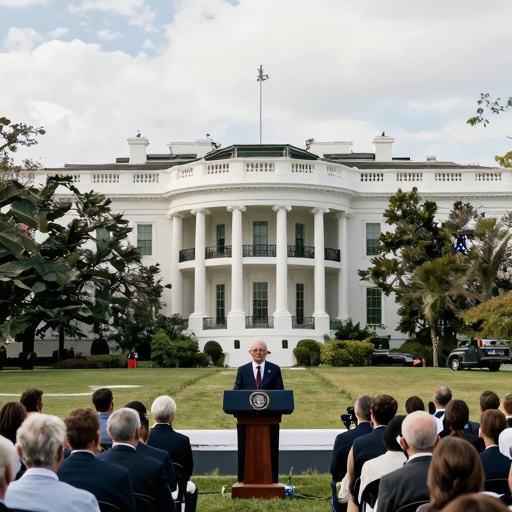
In a stark warning delivered from the floor of the U.S. Senate, retiring North Carolina Senator Thom Tillis has publicly criticized former President Donald Trump, stating that continued erratic behavior could decimate the Republican Party's prospects in the upcoming November elections.
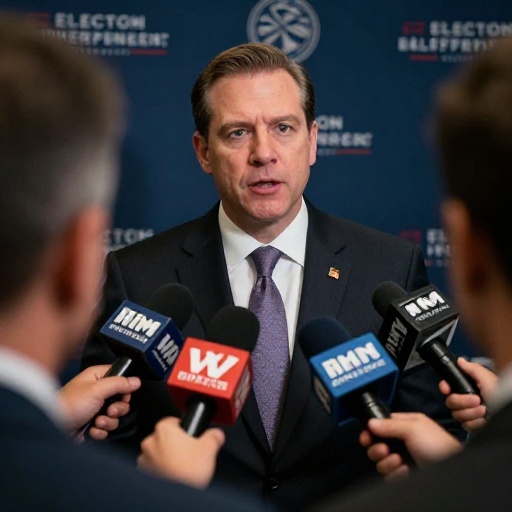
Tillis, a staunch conservative who has served in the Senate since 2015, told reporters that the former president's recent decisions are 'killing our chances' to maintain a majority in the upper chamber. The comments mark a significant escalation in tensions between the sitting senator and the presumptive 2024 Republican nominee.
The remarks come as the GOP faces a precarious landscape in key swing states, where independent voters and moderate Republicans are increasingly scrutinizing the party's direction. Tillis, who is not seeking re-election, feels compelled to speak out as a final act of duty to his party and the state he has represented.
A Public Break with the Former President
Tillis's criticism centers on what he described as 'stupid things' Trump continues to do, a phrase that has resonated within conservative circles but also sparked a backlash from the former president's base. The senator argued that while he respects Trump's past achievements, the current trajectory poses an existential threat to the GOP's legislative goals.
During a press availability in Washington, D.C., Tillis emphasized that the stakes are too high for personal grievances to be sidelined by party loyalty. He noted that the Senate majority is hanging by a thread, with several competitive races in states like Georgia, Ohio, and Arizona that could determine the balance of power for the next four years.
The feud has intensified following a series of social media posts by Trump, who has frequently attacked Tillis and other moderate Republicans who have expressed reservations about his candidacy. Trump has framed these internal critiques as disloyalty, urging supporters to vote against any Republican who does not fully endorse his platform.
'If he keeps doing stupid things, it's going to kill our chances in the Senate,' Tillis stated bluntly, refusing to soften his language despite the potential political fallout. 'We have to be smart about how we approach this election.'
This public rift highlights a growing fracture within the Republican Party between the populist wing, which demands unwavering support for Trump, and the establishment wing, which prioritizes electoral viability and legislative stability. Tillis represents the latter, arguing that the party must appeal to a broader electorate to secure victory.
Implications for Florida and the 2024 Cycle
While Tillis is a North Carolina representative, his warnings carry significant weight for Florida Republicans, who are navigating their own complex political landscape. The Sunshine State is a critical battleground, with a highly polarized electorate that has seen dramatic shifts in recent election cycles.
Florida's political establishment, including Governor Ron DeSantis, has largely aligned with Trump's agenda, yet the state remains a swing state where independent voters hold the balance of power. Any perception that the GOP is being dragged down by internal discord or controversial rhetoric could prove fatal in a tight race.
Political analysts suggest that Tillis's comments could embolden other moderate Republicans across the country to voice their concerns, potentially creating a domino effect that challenges Trump's dominance within the party. However, it also risks energizing the Trump base, who may view such criticism as an attack on the party's core identity, a story we covered in Trump's Primary Losses Signal Shifting Dynamics Ahead of General Election Season.
In Florida, where the Republican primary electorate is deeply loyal to Trump, candidates must tread carefully. Those who distance themselves too far risk losing primary support, while those who fully embrace Trump's more controversial stances may alienate suburban voters in key districts like the Panhandle or Miami-Dade.
The real estate market and tourism industry in Florida, both sensitive to political stability, are watching closely. Uncertainty in Washington often leads to hesitation among investors and tourists, making a stable, predictable government a priority for many business leaders in the state.
The Stakes for Senate Control
The battle for the Senate in 2024 is widely viewed as the most important contest in the midterm cycle, with control of the chamber determining the fate of major legislation on immigration, climate change, and economic policy. Republicans currently hold a slim majority, and losing even one seat could hand control to the Democrats.
Tillis's warning underscores the fragility of this majority. In states like Arizona and Nevada, where Democrats have made inroads in recent years, the margin for error is non-existent. Any negative national headlines involving Trump could suppress turnout among moderate Republicans or drive independent voters to the opposing party.
Furthermore, the issue of public safety and crime, a top concern for voters in Florida and nationwide, could be exacerbated if the political discourse becomes too heated. Law enforcement officials and community leaders often call for unity and bipartisanship to address these challenges, a message that clashes with the divisive rhetoric often seen in the current political climate.
As the election approaches, the Republican Party faces a difficult choice: double down on Trump's populist appeal or pivot toward a more moderate strategy that prioritizes electability. Tillis's retirement allows him the luxury of speaking freely, but his successors in North Carolina and other states will have to make these hard choices without the buffer of retirement.
For now, the national political conversation remains dominated by the tension between party loyalty and electoral pragmatism. Whether Trump can quell the internal dissent and unify the party, or whether the fractures exposed by Tillis will widen, remains the defining question of the 2024 election cycle.