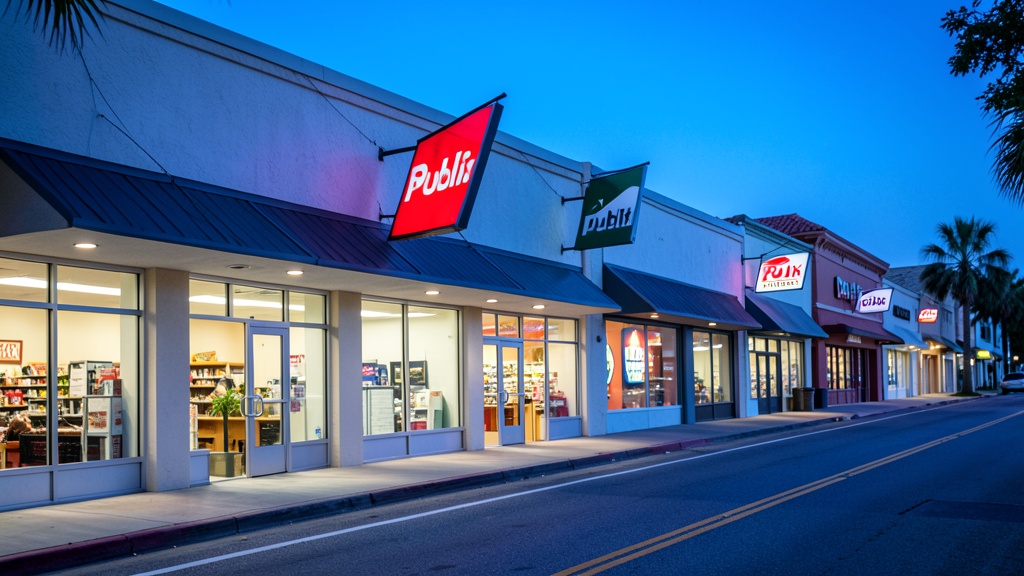
 Imagen generada con IA para Economy
Publix Store Closures in Florida Linked to Lease Expirations Rather Than Sales Slump
Recent reports suggesting that Publix Super Markets is closing Florida locations due to a significant sales slump have sparked concern among shoppers and local business observers. However, an examination of corporate statements and industry data indicates that these closures are primarily driven by lease expirations and strategic real estate adjustments rather than a widespread failure in consumer demand.
Clarifying the Rumors
The speculation gained traction after social media posts highlighted several Publix locations across the state that had recently ceased operations. In an era where retail giants like Walmart and Target have faced scrutiny over store closures, consumers naturally assumed a similar downturn was affecting one of Florida’s most beloved grocery chains.
However, company representatives and industry analysts emphasize that these specific shutdowns do not reflect a broader financial crisis for the Tampa-based retailer. The narrative of a "sales slump" lacks supporting data from recent quarterly earnings reports, which have shown steady performance in key categories such as pharmacy services and prepared foods.
The Role of Lease Expirations
At the core of these closures is standard commercial real estate management. Publix operates a vast portfolio of leased properties across Florida’s 67 counties. When leases expire, landlords often seek to renegotiate terms or redevelop sites for higher-value uses.
In many cases, property owners decide not to renew agreements with grocery tenants in favor of mixed-use developments that include high-end residential units or luxury retail spaces. This trend is particularly visible in rapidly developing areas such as Miami-Dade County and parts of the Tampa Bay region.
"These closures are largely a result of lease expirations where landlords have chosen different development paths," stated an industry analyst familiar with Florida commercial real estate trends. "It is a structural shift in urban planning rather than a reflection of grocery sales performance."
This distinction is crucial for understanding the local economic landscape. While some stores are closing, others are being expanded or renovated. Publix has continued to invest heavily in new store construction and supply chain logistics throughout 2023 and early 2024.
Strategic Realignment vs. Market Decline
The retailer’s approach appears to be one of strategic realignment rather than retrenchment. Florida remains the company's largest market, contributing significantly to its overall revenue. The decision to exit certain leases often coincides with rising property values and increased tax assessments in suburban areas.
For local communities, the impact varies by location. In rural counties or smaller towns where Publix may be one of few major grocery options, closures can create genuine access issues for residents. However, in densely populated urban centers, alternative retail options often mitigate this effect.
Data from the Florida Department of Business and Professional Regulation shows that while some licenses are being surrendered due to lease terminations, new applications for grocery-related businesses remain robust. This suggests that the market demand for food retail is still present, even if specific locations are changing hands or uses, more context in Publix Expands Florida Footprint With New Babcock Ranch Store Construction.
Impact on Local Economies
The closure of a Publix store can have ripple effects in local economies. These stores often serve as anchors for shopping centers, driving foot traffic to neighboring businesses such as banks, salons, and small retailers. When a major anchor closes, property values within that immediate radius can fluctuate.
Local governments are also affected by the loss of tax revenue from these commercial properties. In some instances, municipalities have worked with Publix corporate teams to find alternative tenants or negotiate extended lease terms to maintain community stability during transition periods.
The Florida Chamber of Commerce has noted that while grocery retail is resilient, the specific dynamics of land use in high-growth areas like Orlando and Jacksonville are reshaping how these stores operate. The focus is shifting toward smaller footprints in urban cores rather than large suburban big-box formats.
Looking Ahead
As Florida continues to experience population growth, the demand for grocery services remains strong. Publix has indicated that it will continue to evaluate its portfolio based on long-term sustainability and community needs. This may lead to more closures in areas where real estate economics no longer align with retail operations.
Conversely, new store openings are still being announced in growing counties such as Volusia and Lee. The company’s strategy appears to be a net-zero or slightly positive expansion model, focused on optimizing its existing network rather than contracting due to poor sales.
For consumers, the takeaway is that while specific locations may change, the overall availability of Publix services in Florida remains stable. Monitoring official corporate announcements and local lease filings provides a more accurate picture of retail trends than social media speculation regarding sales performance.