Nepal PM Warns UN: Flash Flood Was a 'Warning to World'
Prime Minister Balendra Shah calls for grant-based aid at the General Assembly, citing climate change as the cause of deadly glacier floods.
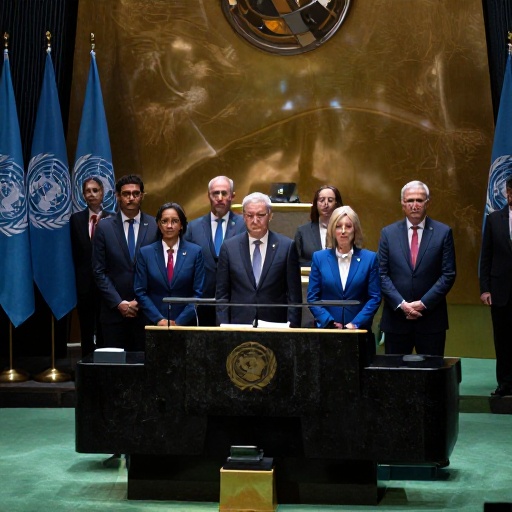
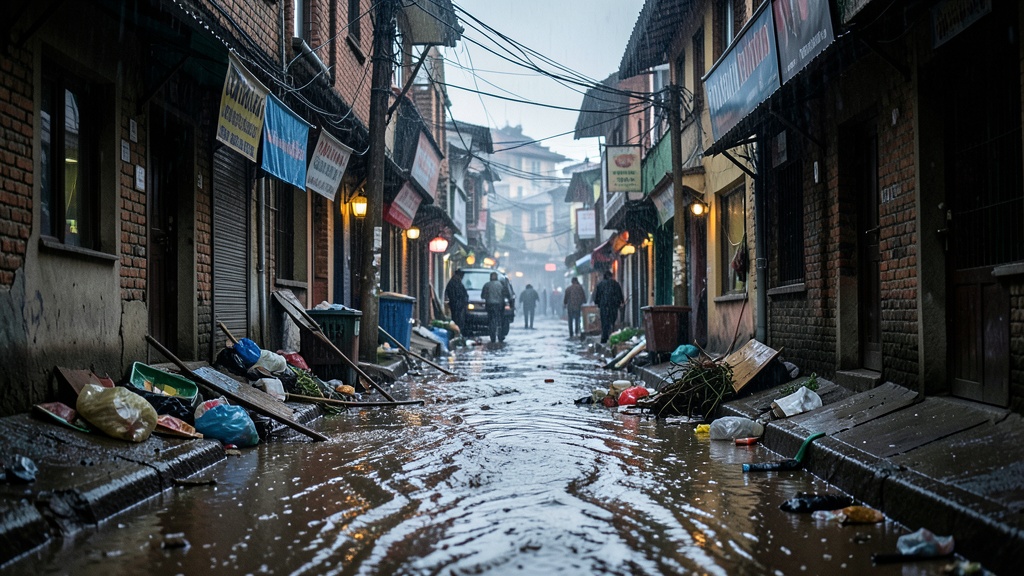
Nepal’s Prime Minister, Balendra Shah, addressed the United Nations General Assembly on Thursday to highlight the devastating impact of climate change following a catastrophic glacier flood that killed more than 1,400 people. Speaking from the podium in New York, Shah described the recent disaster as a "warning to the world" and questioned whether global leaders had truly heard this urgent message regarding environmental stability.
Appeal for Grant-Based Support
Shah emphasized that Nepal contributes less than one-tenth of 1% of the heat-trapping gases responsible for climate change, yet the Himalayan nation is paying a "colossal price" for the crisis. He argued that vulnerable countries should not be forced to take on additional debt to rebuild from catastrophic events. The Prime Minister stated that recovery and reconstruction needs were estimated at approximately 10% of Nepal's gross domestic product.
He criticized existing financial aid systems as inadequate and overly bureaucratic, stating that mega-loans or patchwork grants are insufficient responses when infrastructure is destroyed in poor countries. Shah called for adequate grant-based support from the international community to facilitate recovery without burdening the nation with further debt.
Diplomatic Efforts and Regional Cooperation
In addition to financial appeals, Shah urged closer cooperation between Nepal, India, and China on climate resilience. He proposed an urgent Himalayan mechanism designed to share satellite data, monitor glacial lakes, strengthen early-warning systems, and coordinate disaster responses across borders. This diplomatic push aims to prevent future tragedies through shared intelligence and regional stability, as this newspaper reported in Nepal PM Warns UN.
While Shah did not specify a total amount for international aid in his speech, he noted that the flood swept away roads, bridges, schools, homes, and livelihoods, significantly interrupting Nepal's development progress. Weeks after the disaster struck four weeks ago, search and recovery operations remained ongoing, with more than 6,000 people still missing, more context in Federal Reserve Faces Inflation Pressure as Nepal Rescue Efforts Resume Amid Reg.
International Response
The World Bank announced earlier this week that it would make up to $170 million in emergency financing available to help Nepal respond to the disaster. Furthermore, the United States recently announced $31 million in aid for flood recovery, bringing America’s total financial assistance to $36 million. Shah highlighted data from the Global Carbon Project indicating that over the past 75 years, the U.S. has emitted about 1,500 times more carbon into the air than Nepal, El País reported.
Shisir Khanal, Nepal’s foreign minister, reinforced these sentiments at a UN climate summit on Wednesday, describing the event as not an isolated disaster but a preview of what awaits many vulnerable nations globally. The Nepalese government has also written to the UN’s fund for responding to loss and damage, established in 2022 under the Paris climate agreement, requesting $20 million specifically for climate-related damages.