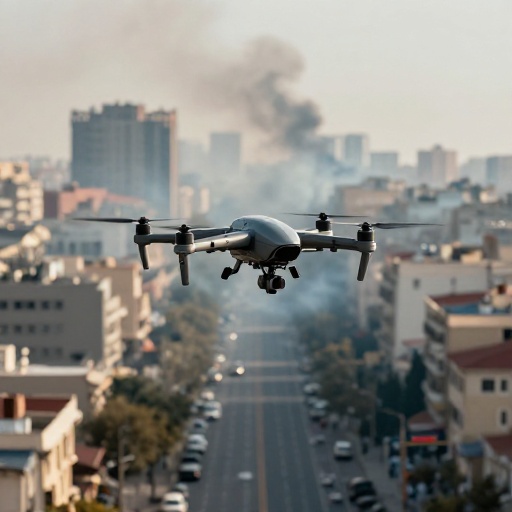
The Economist reports that a significant escalation in global security dynamics unfolded this week, characterized by large-scale aerial attacks against major urban centers. In Russia, the governor of Moscow Oblast confirmed a massive Ukrainian drone operation targeting the region surrounding the capital.
Andrei Vorobyev stated that Russian air defenses intercepted and shot down 249 drones overnight. Despite these extensive defensive efforts, the attack resulted in two fatalities among civilians. The incident marks one of the most significant aerial assaults on the Moscow area since the full-scale invasion began, underscoring Ukraine's continued capability to project power deep into contested territory.
Moscow Region Under Fire
The scale of the drone swarm tested Russian air defense systems in a manner not seen frequently in recent months. Vorobyev’s account highlights the logistical challenge faced by local authorities and military personnel in tracking and neutralizing such a high volume of aerial threats simultaneously.
While official reports emphasize the number of drones destroyed, the confirmation of two deaths serves as a stark reminder of the human cost of the ongoing conflict. The attack has reignited discussions regarding the vulnerability of major metropolitan areas to asymmetric warfare tactics employed by Kyiv’s forces, more context in Russian Drone Strikes Ukrainian Rail Line After Western Visit.
Middle East Tensions Escalate
Concurrently, tensions in the Middle East intensified with reports of a missile strike on Riyadh, Saudi Arabia. While specific details regarding the perpetrator remain under investigation or are subject to conflicting claims, the event signals a dangerous expansion of regional hostilities.
The targeting of the Saudi capital raises serious concerns about stability in the Gulf region and its implications for global energy markets. International observers note that such strikes often trigger rapid diplomatic responses and potential retaliatory measures from affected nations or their allies, as this newspaper reported in Russian Drone Strikes Ukrainian Rail Line After Western Visit.
Global Implications
These simultaneous events in Moscow and Riyadh illustrate a broader trend of escalating conflicts across multiple continents. The Economist suggests that these developments are not isolated incidents but part of a complex web of geopolitical rivalries affecting international security architectures, as noted by Fox News.
In Ukraine, the drone campaign reflects a strategic shift toward targeting Russian infrastructure and command centers within striking distance of key population hubs. This approach aims to disrupt military logistics while demonstrating resilience against overwhelming odds.
Meanwhile, in the Middle East, the strike on Riyadh underscores the fragility of regional peace agreements and the potential for localized conflicts to spiral into broader confrontations involving major powers. The economic and humanitarian repercussions are likely to be significant, affecting trade routes and refugee flows across adjacent borders.