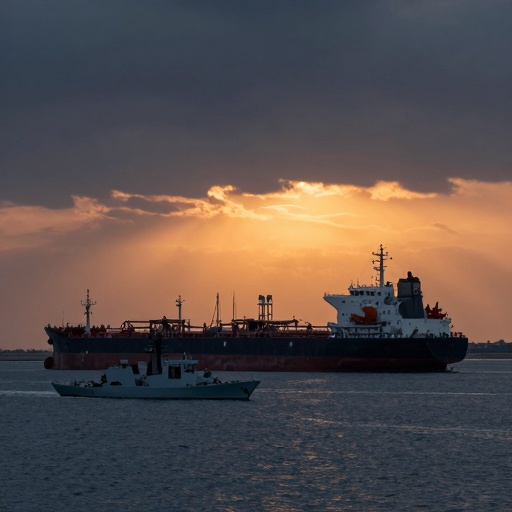
TEHRAN — Iran has issued a formal warning to international vessels navigating the Strait of Hormuz, citing recent incidents involving two ships that reportedly used an "unsafe route." The statement was broadcast on state-affiliated television by the Islamic Republic, highlighting growing concerns over maritime safety in one of the world's most critical chokepoints for global energy trade. According to initial reports from Iranian officials, both vessels were involved in unspecified accidents while transiting through the narrow waterway.
Details of the Incident
The Islamic Republic did not immediately provide specific details regarding the nature of the "accidents" or identify the flags of the ships involved. However, the warning serves as a clear directive to commercial and military vessels alike to adhere strictly to established navigation protocols in the region. The Strait of Hormuz connects the Persian Gulf with the Gulf of Oman and the Arabian Sea, serving as a vital artery for approximately one-fifth of the world's total oil consumption.
State media coverage emphasized that adherence to designated shipping lanes is essential for preventing further incidents. While the term "accident" can range from mechanical failure to navigational error or collision, Iranian authorities have framed these events as consequences of deviating from safe routes. This messaging aligns with Tehran's broader strategy of asserting control and oversight over maritime activities in its vicinity.
Implications for Global Shipping
The Strait of Hormuz is a strategic bottleneck where more than 20 million barrels of oil per day pass through, according to historical data from the U.S. Energy Information Administration (EIA). Any disruption or warning in this region can have immediate ripple effects on global fuel prices and supply chain logistics. The recent warnings come at a time when maritime security remains a sensitive topic for regional powers.
International shipping companies typically rely on established traffic separation schemes to manage the high volume of vessel traffic safely. When authorities flag specific routes as "unsafe," it often prompts rerouting or increased scrutiny by naval forces and coast guards in the area. The lack of specificity regarding the ships involved leaves room for interpretation, but the primary message is a call for heightened vigilance among all maritime actors, a story we covered in Iran Claims Strait of Hormuz Blocked, Disputing Trump Statements.
Regional Context
Tensions in the Persian Gulf have historically fluctuated based on diplomatic relations and military posturing between Iran and Western powers. While this specific incident involves reported accidents rather than overt hostile actions, such warnings often serve as tools of soft power or deterrence. The Islamic Republic's use of state-affiliated television to broadcast these notices underscores its intent to communicate directly with international maritime operators.
As the situation develops, observers and shipping firms are monitoring for further clarification from Iranian authorities regarding the identity of the vessels involved and any potential changes in enforcement measures along the Strait. The incident highlights the persistent fragility of security arrangements in one of the world's most heavily trafficked waterways.