Iran and Israel Halt Attacks After President Trump Urges Immediate Ceasefire
Tehran's military suspends operations following White House intervention on day 101 of escalating regional hostilities between the two nations.
In a significant diplomatic breakthrough, both Iran and Israel have announced an immediate suspension of offensive military operations after President Donald Trump intervened directly with leaders in Tehran and Jerusalem. The declaration marks a critical turning point on the 101st day of a rapidly escalating conflict that has threatened to engulf the entire Middle East region.
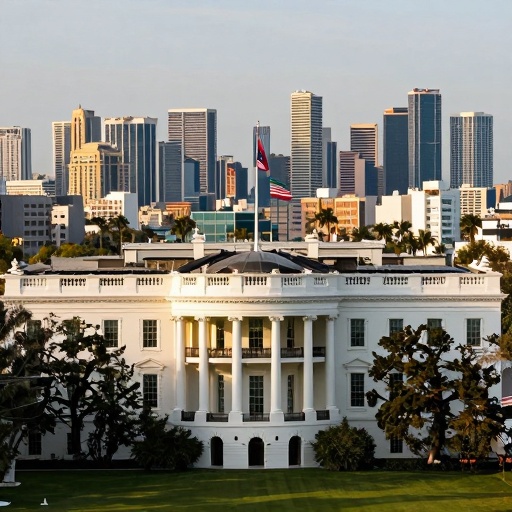
Speaking from the White House, President Trump stated that both nations are actively seeking an 'immediate ceasefire' following his urgent calls to halt the violence. The President emphasized that continued aggression serves no strategic interest and poses unacceptable risks to global stability and American security interests abroad.
Diplomatic Intervention Halts Escalation
The decision by Iran's Islamic Revolutionary Guard Corps (IRGC) to suspend operations follows a series of high-level communications facilitated by the White House. President Trump reportedly told Israeli Prime Minister Benjamin Netanyahu and Iranian Supreme Leader Ali Khamenei that further 'shooting' must stop immediately to prevent an uncontrollable regional war.
Official statements from Tehran confirmed that all planned retaliatory strikes have been paused pending a formal review of the ceasefire terms. This move comes after weeks of tit-for-tat attacks involving missile barrages and drone assaults that targeted military installations in both countries, as well as commercial shipping lanes in the Red Sea.
White House Press Secretary Karine Jean-Pierre described the outcome as a 'major victory for diplomacy over destruction.' She noted that the administration has been working behind the scenes with regional partners to de-escalate tensions before they spiral into a broader conflict involving multiple nations across the Middle East.
Regional Implications and Security Concerns
The potential for a wider war had grown significantly over the past three months, raising alarms among security experts in Washington and throughout Florida's national defense sector. The 101-day stalemate saw increased military deployments to U.S. bases in the Eastern Mediterranean and heightened threat levels at American embassies across the region.
Florida officials have been monitoring the situation closely due to significant state interests tied to global trade routes and energy markets. Disruptions in oil shipping through critical chokepoints like the Strait of Hormuz could lead to immediate spikes in gasoline prices for Florida motorists, impacting families during a peak travel season.
Military analysts note that while ground operations have ceased, intelligence gathering remains active on both sides. The ceasefire is described as fragile and temporary, with both nations reserving the right to resume hostilities if diplomatic negotiations fail or if further provocations occur from proxy groups in Syria and Lebanon, more context in Trump Says U.S. Paused Attacks on Iran at Tehran's Request.
Economic Impact on Florida Markets
The prospect of a prolonged conflict had already begun affecting economic indicators across the Sunshine State, particularly in tourism and real estate sectors sensitive to global instability. Investors were closely watching energy futures, fearing that renewed violence could disrupt supply chains essential for construction projects from Miami-Dade to the Panhandle.
Florida's tourism industry, a cornerstone of the state economy, relies heavily on predictable travel conditions and affordable fuel costs. Any spike in oil prices caused by regional instability would directly impact charter flights, cruise ship operations, and road travel for millions of visitors heading to Orlando, Tampa, and coastal destinations.
State economists warn that while this ceasefire offers immediate relief, the long-term economic outlook remains dependent on sustained peace talks. The Florida Chamber of Commerce has called for continued diplomatic engagement to ensure that global markets remain stable as the state prepares for its busy summer tourism season.
'We are seeing a moment where diplomacy prevailed over destruction,' said President Trump in his address. 'Our goal is not just to stop the shooting, but to build a lasting peace that benefits everyone.'
As of early Tuesday morning, no new reports of missile launches or drone incursions have been confirmed by military sources on either side. However, defense officials remain vigilant, with U.S. Navy vessels maintaining their positions in international waters near the Gulf of Oman to monitor compliance.
The next 48 hours are expected to be critical as back-channel negotiations begin between intermediaries representing Washington, Tehran, and Jerusalem. Success will depend on whether both sides can agree on a framework that addresses core security concerns without compromising their respective strategic positions in the region.