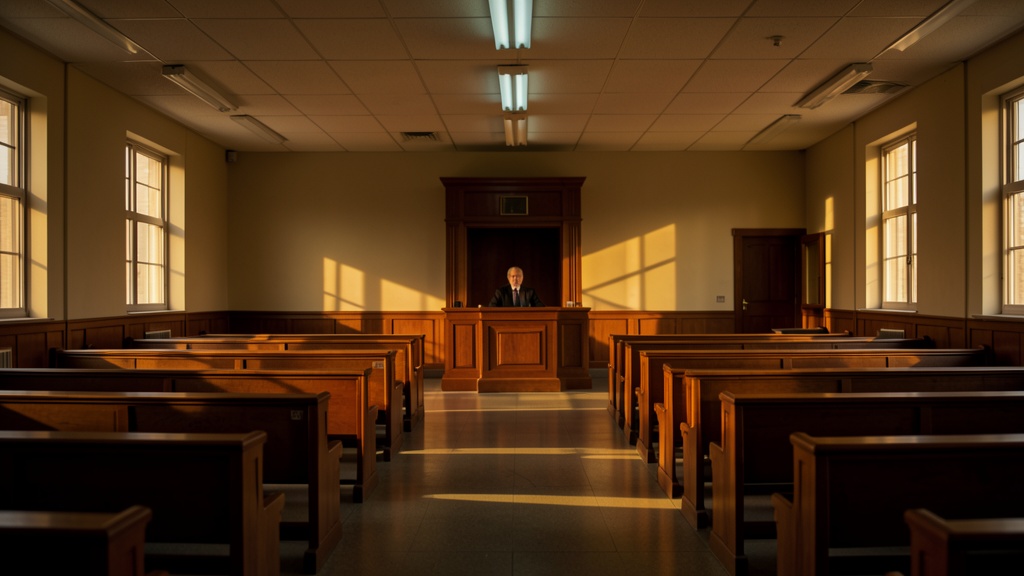
Former Florida Congressman David Rivera Sentenced to 10 Years in Venezuela Lobbying Case
U.S. District Court imposes sentence for illegal foreign agent activities; former Miami-Dade lawmaker faces federal prison term.
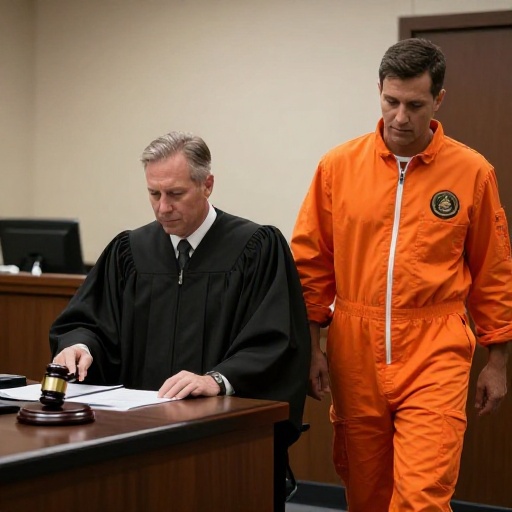
Former U.S. Representative David Rivera was sentenced on Wednesday to ten years in federal prison, marking the culmination of a long-running legal battle involving charges that he acted as an unregistered agent for the Venezuelan government.
The sentencing, handed down by U.S. District Judge Jose E. Martinez in Miami, concludes a chapter that began with his election defeat and continued through multiple appeals. Rivera, who represented Florida’s 25th Congressional District from 2011 to 2013, was convicted on federal charges stemming from a secret lobbying campaign tied to the regime of former Venezuelan President Hugo Chavez.
Details of the Sentencing
The ten-year sentence reflects the severity with which federal authorities view violations of the Foreign Agents Registration Act (FARA). Rivera had previously pleaded guilty in 2016 to one count of conspiracy to act as an unregistered agent for a foreign principal, specifically the government of Venezuela.
During the proceedings, prosecutors emphasized that Rivera’s actions undermined transparency in U.S. politics by concealing his role in advocating for policies favorable to the Chavez administration. The Department of Justice argued that the sentence was necessary to deter similar conduct by other public officials and lobbyists seeking to influence American policy without disclosure.
Rivera, now 52, appeared via video link from a federal correctional facility where he has been held since his initial conviction. He did not make a statement at this final hearing but had previously expressed remorse during earlier stages of the legal process, though he maintained that his intent was to help stabilize Venezuela rather than harm U.S. interests.
Background of the Investigation
The case originated from an investigation by the FBI and the Department of Justice into lobbying activities conducted between 2010 and 2013. Investigators determined that Rivera, along with his campaign manager at the time, Michael Cohen (not to be confused with Donald Trump’s former attorney), accepted hundreds of thousands of dollars in cash and gifts from Venezuelan officials.
In exchange for these payments, which were funneled through a Miami-based consulting firm, Rivera allegedly used his position as a congressman to advocate for the removal of sanctions against Venezuela and to oppose legislation that would have restricted travel by Cuban-Americans. The lobbying efforts included organizing trips for U.S. lawmakers to visit Venezuela and arranging meetings with Venezuelan ministers.
Key evidence in the case included bank records showing deposits into accounts linked to Rivera’s campaign, as well as communications between his staff and representatives of the Venezuelan government. Investigators also uncovered that Rivera failed to file required FARA disclosures for years while engaging in these activities, more context in Florida Attorney Faces Prison After Probation Violation and New Arrests.
Plea Deal and Appeals
After initially denying wrongdoing, Rivera entered into a plea agreement in 2016. Under the terms of the deal, he admitted to conspiring to act as an unregistered agent for a foreign government. The prosecution agreed not to pursue additional charges related to wire fraud and tax evasion if Rivera cooperated fully.
Rivera spent several years appealing his conviction, arguing that certain evidence should have been excluded and that the legal standards applied were flawed. However, federal appellate courts upheld the core findings of guilt, leading up to this final sentencing phase.
The case drew significant attention in Florida’s political landscape, particularly among Cuban-American voters who felt betrayed by a representative they believed had undermined their community’s interests regarding the Castro regime and its allies. The controversy contributed significantly to his defeat in the 2012 primary election against Ileana Ros-Lehtinen.
Implications for Florida Politics
The sentencing serves as a stark reminder of the legal risks associated with undisclosed foreign influence in American politics. Legal experts note that while FARA violations are not uncommon, prosecutions involving sitting or former members of Congress remain rare and carry heavy penalties.
For Miami-Dade County, where Rivera’s political career was centered, the case highlighted ongoing concerns about transparency in local lobbying practices. The district has since seen increased scrutiny on campaign finance disclosures following this high-profile conviction.
Rivera is expected to report to a federal prison facility shortly after the sentencing is formalized. His departure from public life marks the end of one of Florida’s most controversial political careers, defined by both legislative achievements and significant ethical controversies.