 Imagen generada con IA para Entertainment
Florida’s Unique Jellyfish Museum Opens in Pompano Beach, Celebrating Marine Life
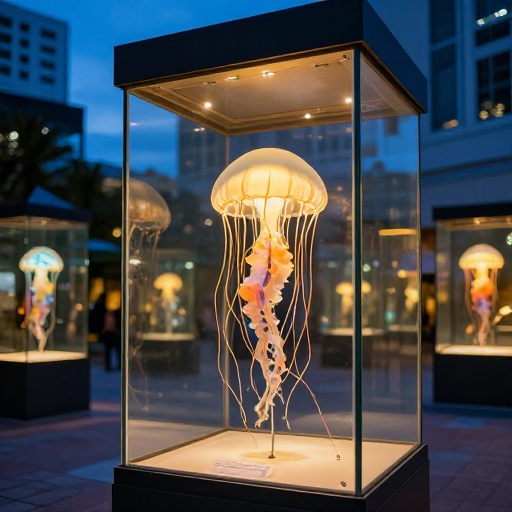
POMPANO BEACH — A new cultural landmark has emerged on Florida’s southeastern coast that is turning heads for all the right reasons. The Jellyfish Museum, located just north of Fort Lauderdale in Pompano Beach, has officially opened its doors as what is believed to be the first museum in the United States dedicated solely to these mesmerizing marine creatures.
Unlike traditional aquariums or natural history museums that feature jellyfish among hundreds of other species, this private institution focuses exclusively on the translucent invertebrates. The opening marks a significant addition to Florida’s diverse tourism landscape, which typically prioritizes theme parks and beaches but is increasingly embracing niche educational attractions.
A Unique Educational Experience
The museum aims to shift public perception of jellyfish from mere pests or dangerous stingers to fascinating creatures worthy of scientific appreciation. According to reports from the Boston Herald, which first highlighted the institution's significance, the collection features a variety of species that highlight the diversity and ecological importance of cnidarians.
Visitors are introduced to the biology and behavior of jellyfish through carefully curated exhibits. The museum does not merely display specimens; it seeks to educate the public on the role these predators play in marine ecosystems. By focusing solely on one type of animal, the institution provides a depth of information that general aquariums often cannot match.
The decision to open such a specialized facility reflects a broader trend in tourism where travelers seek unique, Instagram-worthy experiences alongside traditional sightseeing. For Pompano Beach, this museum offers an opportunity to attract visitors who might otherwise bypass the area for larger destinations like Miami or Orlando, more context in Florida Reports First Vibrio Death of 2026 in Palm Beach County.
Impact on Local Tourism and Economy
The emergence of niche attractions in South Florida is contributing to a diversification of the local economy. While tourism remains a cornerstone of Florida’s financial health, adding unique cultural institutions helps sustain visitor interest year-round rather than relying solely on seasonal beach traffic.
Pompano Beach has been actively working to enhance its appeal as a destination for both relaxation and education. The Jellyfish Museum fits into this strategy by offering an indoor attraction that is accessible regardless of weather conditions, including during the peak hurricane season when outdoor activities are often curtailed, more context in Florida Reports First Vibrio Death of 2026 in Palm Beach County.
Local businesses in the surrounding area stand to benefit from increased foot traffic. As tourists travel between attractions, they typically spend on dining, shopping, and other services. This ripple effect supports small business owners and contributes to the overall economic vitality of Broward County, as reported by Telemundo.
Balancing Conservation with Entertainment
While the museum is a private enterprise, its mission aligns with broader conservation efforts in Florida. The state’s waters are home to numerous marine species that face threats from pollution and climate change. By educating visitors about jellyfish, the museum indirectly promotes awareness of ocean health.
Jellyfish populations have been known to fluctuate dramatically due to environmental changes, sometimes leading to blooms that impact fisheries and power plants. Understanding these dynamics is crucial for coastal communities like those in South Florida. The museum serves as a platform for discussing these complex ecological issues in an accessible way.
Experts note that the focus on "mesmerizing floating predators" helps demystify creatures that many people fear due to their stinging capabilities. By showcasing their beauty and complexity, the institution fosters a sense of wonder rather than dread. This approach is increasingly common in modern marine biology outreach.
As Florida continues to navigate challenges related to real estate development and environmental protection, institutions like the Jellyfish Museum offer a reminder of the natural wonders that exist just offshore. They provide a tangible connection to the ocean for residents and visitors alike.