 Imagen generada con IA para Security
Florida Sees Summer Surge as COVID Cases Rise; Experts Weigh In On Vaccine Urgency
State health officials report rising case numbers across Florida this summer, prompting renewed discussions about booster shots and public safety protocols.
Florida is experiencing a resurgence in coronavirus cases during the current summer season, according to recent data released by state health authorities. While the spike marks an increase from previous months, federal experts indicate that infection rates remain significantly lower than those observed during prior waves of the pandemic.
Rising Case Numbers Across State Health Data
State health records show a noticeable uptick in reported infections as temperatures rise and community gatherings increase. The Centers for Disease Control and Prevention (CDC) addressed these trends in its August 12 update on the current epidemic situation, noting that while transmission is accelerating, the overall severity of illness has not mirrored previous surges.
Health officials emphasize that data tracking remains essential for understanding local spread patterns. Hospitals across major metropolitan areas are monitoring bed capacity closely, though no widespread strain on emergency services has been reported at this time. The rise in cases appears to be driven primarily by new variants and a decrease in population immunity over the past year.
"The summer surge is back," officials noted in recent communications with local health departments. "However, it is occurring at much lower rates than before." This distinction highlights changes in viral behavior and widespread prior exposure among Floridians compared to earlier years of the pandemic.
Evaluating the Need for Booster Shots
As case numbers climb, public health experts are revisiting recommendations regarding booster vaccinations. The CDC continues to advise that individuals who have not received a recent dose may benefit from updated shots to enhance protection against severe disease. This guidance applies particularly to older adults and those with underlying health conditions, as we reported in Florida Cyclosporiasis Cases Hit 500 as Season Ends.
Vaccination coverage remains variable across different counties in Florida. Urban centers like Miami-Dade and Orange County show higher uptake rates compared to more rural regions in the Panhandle and Central Florida. Health providers are encouraging residents to consult their doctors regarding personal risk factors before deciding on additional doses.
"The summer surge is back, but it is occurring at much lower rates than before," according to recent CDC updates referenced by state health officials.
Medical professionals stress that while boosters reduce the likelihood of severe outcomes, they are not a guarantee against infection. The current wave includes many mild cases managed through home isolation rather than hospitalization. This shift in clinical presentation has altered how public safety measures are perceived and enforced across the state.
Balancing Public Health with Economic Activity
Florida’s economy relies heavily on tourism and outdoor recreation, sectors that thrive during summer months. State leaders have maintained a cautious approach to restrictions, prioritizing economic stability over mandatory mandates. This strategy has allowed businesses in Orlando, Tampa, and the Keys to operate without significant operational interruptions, as we reported in Central Florida Heat Advisory.
Tourism officials report steady attendance at major attractions despite rising case numbers. Travelers are largely adhering to voluntary safety guidelines rather than facing legal requirements for proof of vaccination or negative tests. The absence of strict mandates has kept travel costs stable and booking rates high throughout the season, according to Univision.
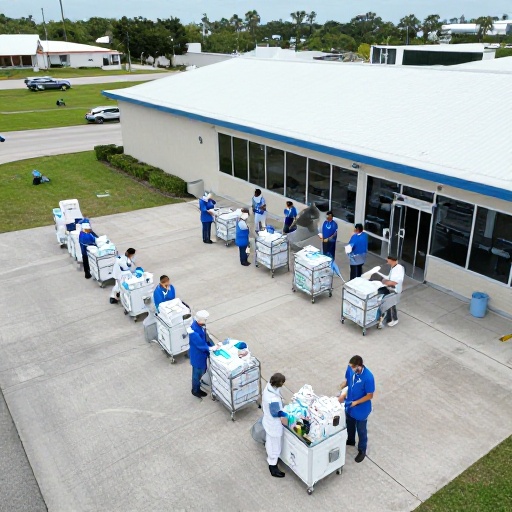
Local health departments continue to provide testing sites in public spaces, including libraries and community centers. These resources are designed to support individuals who wish to monitor their status before attending large gatherings. The availability of rapid tests remains widespread across both urban and rural districts.
Looking Ahead at Seasonal Trends
Experts predict that case numbers may continue to fluctuate through the remainder of August and into September. Historical patterns suggest a potential decline in transmission as school years begin and indoor activities shift back toward residential settings. However, this trend is not guaranteed given the evolving nature of viral variants.
Hospital administrators are preparing contingency plans for any unexpected spikes in severe cases. While current resources appear sufficient, readiness protocols remain active across state facilities. This proactive stance ensures that care quality does not degrade even if case volumes increase further.