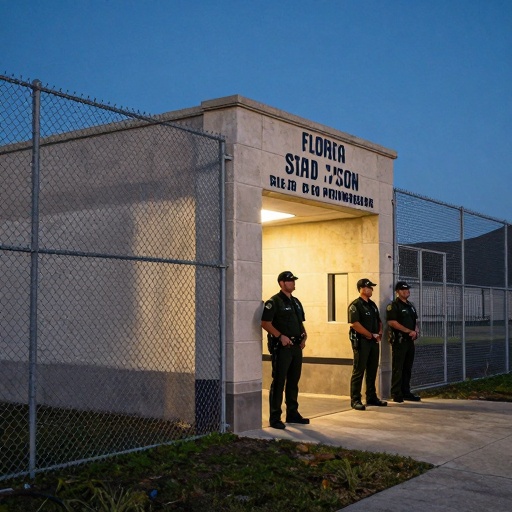
Florida has recently executed prisoners at a rapid clip, marking a significant shift in the state's approach to capital punishment. The process begins with precise protocols: window shades rise promptly at 6 p.m., and galleries remain silent save for the humming of air conditioning units. Inmates lie flat on gurneys, covered by white sheets and bound by leather straps as lethal injections are administered. This accelerated pace contrasts sharply with national trends where executions have declined in many states due to legal hurdles and drug shortages.
Legal Strategies Drive Accelerated Schedule
The increase in Florida's execution rate is largely attributed to changes in legal strategies employed by the state Department of Corrections. Attorneys for inmates are facing stricter deadlines, limiting their ability to file last-minute appeals that have historically delayed executions. The state has also refined its lethal injection protocols, ensuring smoother procedures and reducing technical delays. These administrative adjustments allow Florida to carry out sentences more efficiently than it did in previous decades.
Comparison with National Trends
Nationally, the number of executions has dropped significantly over the past two decades. Many states have paused or abolished capital punishment due to concerns about drug sourcing and wrongful convictions. In contrast, Florida continues to actively pursue death sentences for qualifying crimes. This divergence highlights Florida's unique position in the American justice system, where political support for tough-on-crime measures remains strong among voters and legislators.
Impact on Judicial Processes
The rapid execution schedule has sparked debate within legal circles regarding the adequacy of judicial review. Critics argue that the accelerated timeline may compromise thorough scrutiny of each case. However, state officials maintain that due process is preserved through established appellate mechanisms. The Florida Supreme Court continues to review cases for constitutional compliance, ensuring that executions proceed only after all legal avenues are exhausted, as we reported in Florida Leads U.S. Surge in Executions with Three Scheduled on Same Day.
Future Implications
As Florida maintains its execution pace, the long-term implications for criminal justice policy remain under scrutiny. Other states may observe these developments when considering their own capital punishment laws. The balance between retributive justice and procedural safeguards continues to evolve in Tallahassee, with ongoing legislative debates shaping future sentencing practices.