Florida Coastal Cities Deploy Art and Infrastructure to Combat Sea Level Rise
Miami-Dade officials integrate public art with stormwater systems as climate threats intensify across the state's vulnerable shoreline communities.
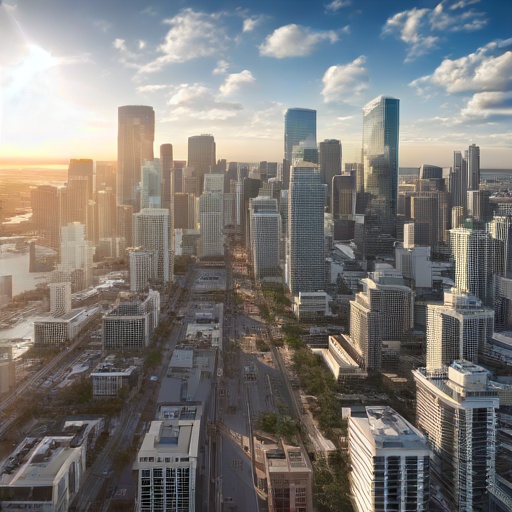
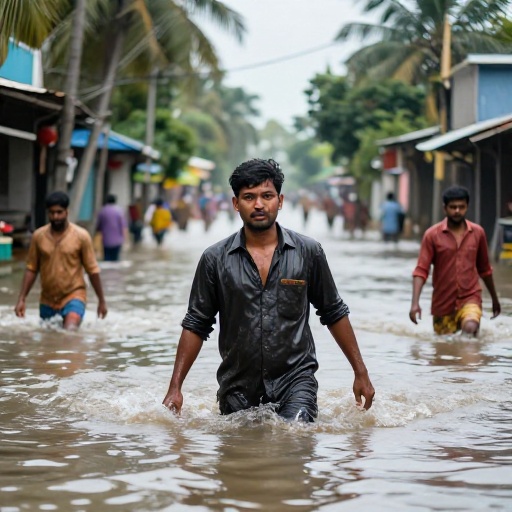
As rising seas and increasingly powerful storms threaten Florida’s coastline, local governments are moving beyond traditional engineering solutions. In Miami-Dade County, city leaders are pioneering a dual approach that combines robust infrastructure upgrades with strategic public art installations to adapt to climate change.
This strategy aims not only to manage stormwater but also to raise community awareness about the existential threat of sea level rise. The initiative reflects a broader shift in how coastal municipalities across the state are addressing environmental challenges while maintaining economic vitality and aesthetic appeal.
Infrastructure Meets Public Art
Miami-Dade County has become a focal point for this innovative adaptation strategy. Rather than viewing stormwater management solely as an engineering necessity, local officials have integrated these systems into the cultural fabric of neighborhoods. The goal is to create resilient infrastructure that serves both functional and community-building purposes.
Recent projects include upgraded drainage systems designed to handle heavier rainfall events associated with climate change. These improvements are often accompanied by artistic elements such as murals, sculptures, or landscaped parks. This integration helps normalize the presence of flood mitigation measures while engaging residents in conversations about sustainability.
The approach aligns with findings from regional planning bodies that emphasize community engagement as a key factor in successful climate adaptation. By making infrastructure visually appealing and accessible, cities hope to foster public support for necessary but potentially disruptive construction projects.
Statewide Implications
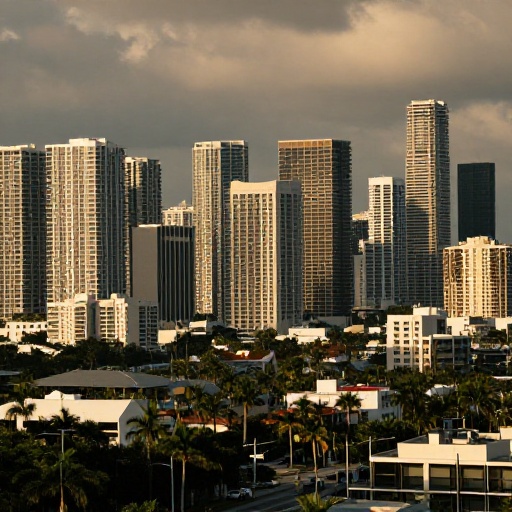
Miami-Dade’s efforts are part of a larger trend affecting Florida from the Panhandle to Miami-Dade County. Coastal communities face unique vulnerabilities due to their low elevation and proximity to rising ocean levels. The state has seen an increase in both frequency and severity of storm events, prompting urgent action at local and state levels.
Other municipalities are observing these developments closely as they develop their own resilience plans. While Miami-Dade leads with high-profile art-infrastructure hybrids, other areas are focusing on different aspects of adaptation, such as elevated roadways or improved seawalls, as this newspaper reported in Drought Reveals Hidden Ecosystems as Florida's Lake Okeechobee Water Levels Plum.
The Florida Department of Environmental Protection has noted that local innovation often informs state-level policy adjustments. As cities experiment with various methods for managing water and protecting property, the data gathered helps guide statewide regulations and funding allocations for climate resilience projects.
Economic and Social Considerations
The intersection of art, infrastructure, and climate adaptation also raises economic questions. Tourism remains a critical industry for Florida’s coastal cities, which rely heavily on attractive public spaces to draw visitors.
Investments in aesthetically pleasing stormwater systems can enhance property values and tourism appeal while providing essential protection against flooding. This dual benefit makes such projects particularly appealing to local governments balancing budget constraints with the need for safety improvements.
Socially, these initiatives provide a platform for discussing broader environmental issues. Public art installations related to climate change serve as educational tools, helping residents understand the impacts of rising seas and extreme weather on their daily lives.
Community workshops associated with these projects often bring together artists, engineers, and residents to co-design solutions. This collaborative process ensures that infrastructure meets practical needs while reflecting local cultural values and aesthetics.