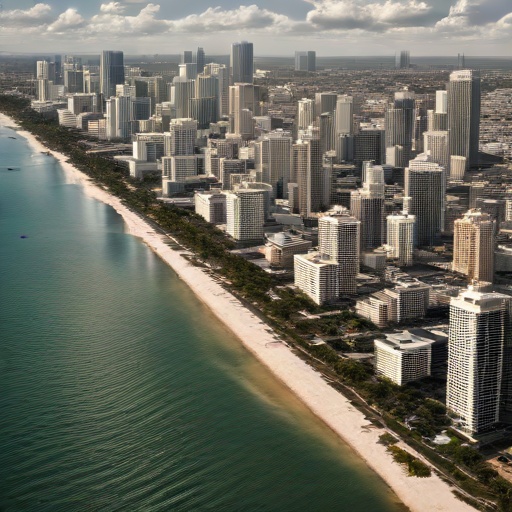
Florida Business Owners Charged After Scattering Mothballs on Beach
Two business owners in St. Petersburg, Florida, have been charged with third-degree felonies after allegedly scattering approximately 1,500 toxic mothballs across a public beach to prevent an imperiled bird species from nesting there. Christopher Monroe, owner of Chris’s Beachside Bar, and Robert Czyszczon, owner of the Plaza Beach Hotel, face up to five years in prison and fines of $5,000 each if convicted. The charges stem from actions taken in late April that disrupted efforts by black skimmers to establish a nesting colony on St. Pete Beach.
Investigation Reveals Coordinated Effort
The incident began when beachgoers noticed small white orbs scattered across the sugary sand behind the Plaza Beach Hotel. Florida Fish and Wildlife Conservation Commission (FWC) officers, alongside volunteers from the Audubon Society, removed about 1,000 mothballs initially. However, another 500 appeared overnight, indicating a deliberate and ongoing effort to deter wildlife. FWC officials stated that the placement of these pesticide-filled balls posed risks not only to endangered shorebirds but also to children and other local wildlife who might come into contact with them.
Investigators utilized video surveillance, receipt records, and cellphone tower data to identify the suspects. Records showed Czyszczon purchased a large quantity of mothballs from Walmart for approximately $60 on the day they first appeared on the beach. Text messages between Monroe and Czyszczon revealed their intent to keep birds away due to fears of lost revenue. "Why didn't you tell me we lose $25,000 to $50,000?" one message allegedly read, highlighting concerns that fencing required for bird protection would block customer access, as this newspaper reported in Florida Ethics Panel Finds Probable Cause Against Kissimmee Mayor Espinosa.
Legal Charges and Environmental Impact
The men were charged with illegal dumping, a third-degree felony, as well as the attempted take of a state-listed imperiled species by harassment, classified as a misdemeanor. According to FWC officials, while the birds may not have been physically harmed directly by the chemicals, the presence of mothballs delayed their nesting process. This delay is critical because black skimmers nest on the ground near the surf; if young birds do not fledge before late-season storms, entire colonies can be wiped out, more context in Florida Man Charged With Homicide After Lobster Diving Dispute.
Environmental experts emphasize the dangers of improper pesticide use. Brett W. Bultemeier, director of the UF/IFAS Pesticide Information Office, noted in a 2021 publication that "the label is the law" regarding pesticides like mothballs. The vapors can harm people and wildlife if not handled according to strict legal requirements. With approximately 6,800 black skimmers remaining in Florida and several hundred residing on Pinellas County beaches, authorities view such harassment as a significant threat to local biodiversity, as noted by Reuters.
Community Reaction and Current Status
The discovery of the mothballs sparked public outcry within the St. Petersburg community, with residents expressing deep concern for the native fowl. Both Monroe and Czyszczon are currently out on bond. An attorney for Czyszczon did not respond to requests for comment, while court records indicate Monroe does not yet have legal representation.