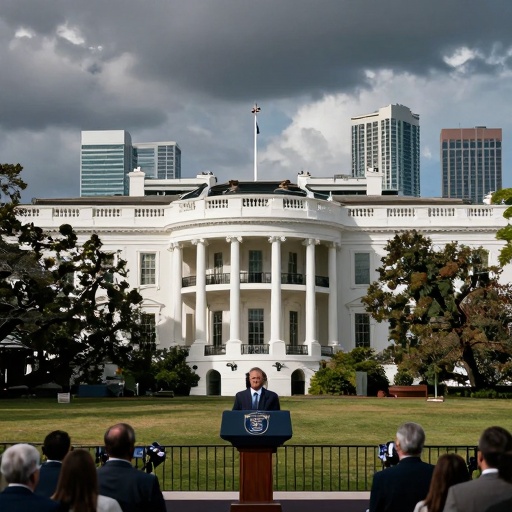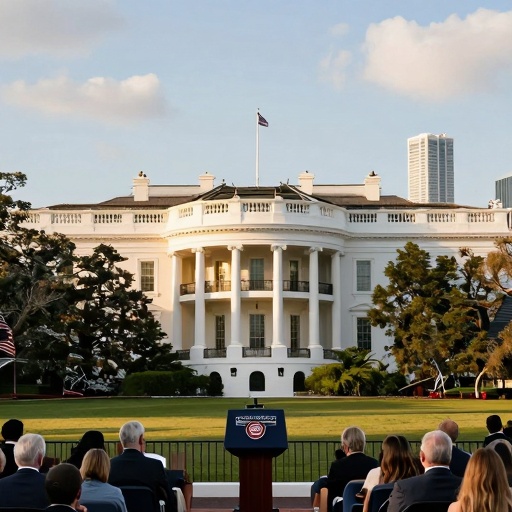
Political analysts are currently reviewing statements made by President Donald Trump regarding the United States' economic performance during a press conference held in Ankara, Turkey. The scrutiny focuses on specific claims concerning foreign direct investment and national financial metrics presented at the recent North Atlantic Treaty Organization (NATO) summit. This review comes as international leaders gather to discuss global security and diplomatic relations, with economic indicators often serving as key talking points for US leadership.
Scrutinizing Investment Figures
The core of the controversy involves Trump's assertion that the United States has attracted significant investment capital. While specific details from the press conference transcript are being analyzed by independent fact-checkers, the broader context involves how such large-scale financial figures are reported and verified. Analysts typically examine official data from sources such as the Bureau of Economic Analysis to determine if claimed numbers align with recorded economic activity.
In previous reporting cycles, discrepancies between political rhetoric and statistical reality have drawn attention from media organizations across Florida and nationally. The process involves cross-referencing presidential statements with quarterly reports on foreign direct investment in the United States. This method ensures that claims about attracting trillions of dollars are grounded in verifiable economic data rather than speculative estimates.
Implications for Economic Discourse
The fact-checking process highlights the growing importance of transparency in political communication, particularly regarding national security and trade agreements discussed at NATO summits. For observers following US politics from Miami to Tallahassee, these evaluations provide a clearer picture of how economic narratives are constructed during high-profile international events, as this newspaper reported in Trump Election Speech Draws Fact.
As analysts continue their review, the focus remains on accuracy and accountability in reporting financial achievements. The outcome of this fact-checking effort will likely influence subsequent discussions regarding US trade policies and investment incentives. This ongoing scrutiny reflects a broader trend where political claims are subjected to rigorous verification before being accepted as factual records.