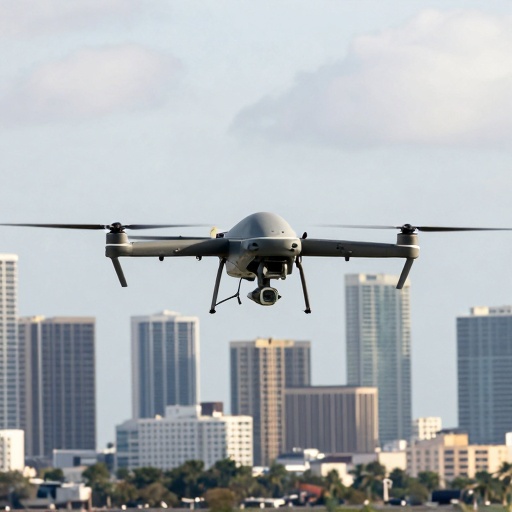
MEXICO CITY (AP) — The bombs started raining down from cartel drones at 6 a.m. on Wednesday, just as the sun crested over the mountains of central Mexico. This sudden escalation in violence has targeted a cluster of rural communities known for their agricultural output and remote location within the state's mountainous terrain. The timing of these aerial assaults coincides with the ongoing FIFA World Cup, drawing international attention to the security challenges facing local authorities.
Aerial Warfare in Rural Regions
The use of drones by criminal organizations represents a significant shift in tactics for Mexican cartels. Traditionally reliant on ground-based operations and heavy weaponry, these groups are increasingly adopting technology typically associated with modern military conflicts or commercial surveillance. The attacks began at dawn, suggesting a calculated effort to maximize fear while minimizing the immediate response time of local law enforcement agencies.
Residents in the affected rural communities describe an atmosphere of heightened tension. The drone strikes have not only caused physical damage but also disrupted daily life and economic activities. Agricultural operations, which form the backbone of the local economy, face potential threats from both direct destruction and the broader climate of instability. Authorities are currently assessing the extent of the damage and identifying the specific cartel factions responsible for orchestrating these aerial campaigns.
Security Implications During Global Events
The occurrence of such violent incidents during a major international sporting event like the World Cup raises complex questions about national security priorities. While global attention is focused on football matches, local governments in central Mexico are grappling with an internal crisis that threatens public safety and economic stability. The juxtaposition of international celebration and domestic unrest highlights the disparity between perceived security measures and ground-level realities.
Local officials have not yet released detailed statistics regarding casualties or property damage from these specific drone attacks. However, reports indicate that residents are seeking refuge in more secure locations or coordinating community watch efforts to mitigate further risks. The federal government has been urged to provide additional support, including aerial surveillance capabilities and specialized tactical units capable of countering unmanned aerial threats.
Broader Context of Cartel Activity
This incident is part of a broader pattern of cartel expansion into new territories and methods. As law enforcement pressure increases in traditional strongholds, criminal organizations often adapt by moving operations to less monitored rural areas or employing unconventional tactics like drone warfare. The central Mexican mountains have historically served as both a refuge for these groups and a strategic corridor for illicit trade routes.
Community leaders emphasize the need for sustained investment in regional infrastructure and law enforcement resources. Without adequate support, rural populations remain vulnerable to escalating violence that transcends traditional boundaries of control. The ongoing situation underscores the urgent requirement for adaptive security strategies capable of addressing modern threats while maintaining public order during high-profile international events.