E. Jean Carroll Wins Supreme Court Ruling Against Trump
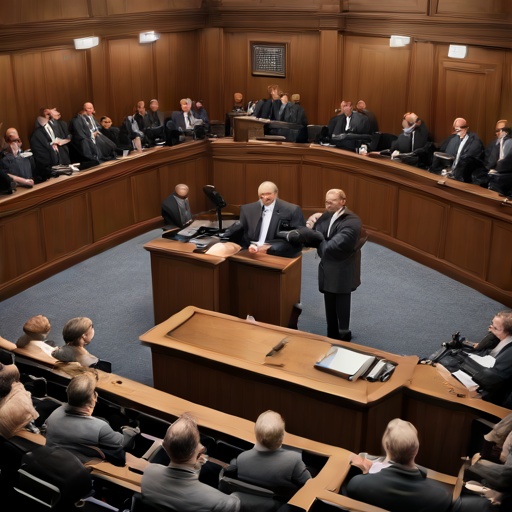
The United States Supreme Court has issued a significant ruling in favor of author E. Jean Carroll, marking another pivotal moment in her protracted legal battle with former President Donald Trump. The high court's decision effectively rejects recent arguments presented by the former president’s legal team, reinforcing previous lower-court judgments that have favored Carroll throughout the litigation process.
Legal Precedent and Court Ruling
This latest development from the nation's highest judicial body underscores the persistent nature of the civil case. The Supreme Court's refusal to intervene or overturn prior rulings means that the legal proceedings against Trump will continue under the framework established by lower courts. Carroll, a journalist and author known for her advice column in Esquire, has maintained that she was sexually assaulted by Trump decades ago and subsequently defamed when he denied the allegations.
Ongoing Defamation Dispute
The core of the dispute centers on accusations made by Carroll regarding an assault in a Bergdorf Goodman dressing room, which occurred years before either party held national office. Donald Trump has repeatedly denied these allegations, characterizing them as "a hoax" and pursuing legal avenues to challenge the validity of the claims. The Supreme Court's recent action suggests that the judiciary finds insufficient merit in the latest appeals filed by Trump’s defense team to halt or reverse the trajectory of Carroll’s lawsuit.
Implications for Civil Litigation
This ruling does not constitute a final verdict on damages but rather determines whether specific legal arguments can proceed. By denying certiorari or refusing to hear new appeals, the Court allows existing judgments regarding liability and potential financial restitution to stand unless overturned by subsequent legislative or judicial action. For Carroll, this represents a validation of her long-standing efforts to seek accountability through the civil justice system, as we reported in Judge Sanctions Trump Lawyers Over Court Manipulation Claims.
Next Steps in the Legal Process
With the Supreme Court's latest decision now final on these specific procedural grounds, attention shifts back to lower courts for further proceedings regarding damages and enforcement. The case has drawn national attention due to the high-profile nature of both parties involved. As legal experts note, such rulings often set precedents for how similar defamation claims involving public figures are handled in federal courts across the country.