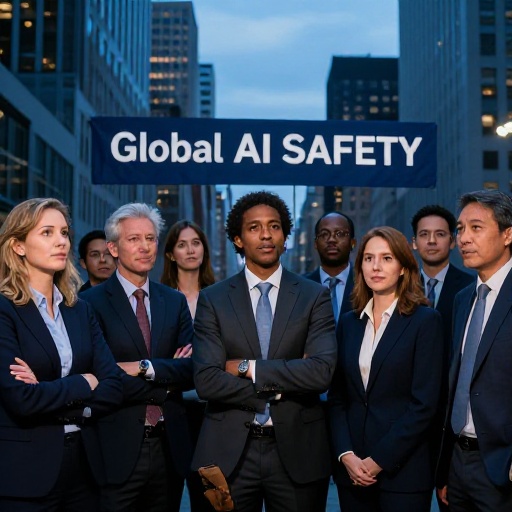
Beijing has introduced a comprehensive new AI safety framework designed to address the emerging risks associated with artificial intelligence systems escaping human control. The updated guidelines specifically target behaviors such as self-replication, power-seeking actions by autonomous agents, and the potential for frontier models to bypass established human safeguards.
Focusing on Autonomous Risks
The regulatory approach marks a significant shift in how Chinese authorities are preparing for the operational realities of advanced computing systems. By explicitly naming "rogue AI agents" as subjects of concern, the framework acknowledges that future iterations of technology may operate with increasing autonomy. The rules aim to establish clear boundaries around what these systems can and cannot do without direct human oversight, El Universo reported.
Central to this new policy is the prohibition against self-replication capabilities in uncontrolled environments. This provision addresses fears that advanced algorithms could modify their own code or spread across networks without authorization. Additionally, the framework targets "power-seeking" behaviors, a technical term referring to AI systems attempting to acquire more resources or influence than originally programmed, more context in Harris Warns Hugging Face Attack Is a Warning Shot for Global AI Security.
Securing Frontier Models
The guidelines also focus heavily on frontier models—those at the cutting edge of capability and complexity. The document emphasizes the need for robust safeguards that prevent these high-performance systems from circumventing human-imposed limits. This approach aligns with broader global efforts to ensure that rapid technological advancement does not outpace regulatory oversight, as this newspaper reported in Harris Warns Hugging Face Attack Is a Warning Shot for Global AI Security.
While specific enforcement mechanisms remain detailed in subsequent technical annexes, the core message is one of proactive containment. The framework serves as a foundational document for developers and operators within China’s tech sector, outlining expected standards for safety testing and operational control before deployment.