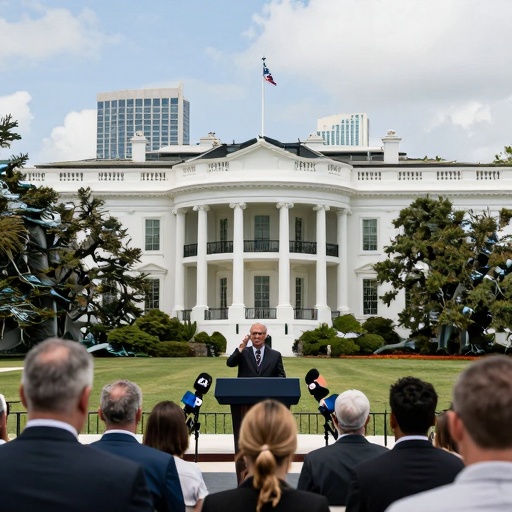
Amid escalating tensions between the United States and its northern neighbor, several Canadian provincial leaders are actively evaluating strategic responses to American economic pressure. While federal Prime Minister Mark Carney weighs his next diplomatic steps, regional authorities in Canada’s provinces are identifying specific sectors as powerful leverage points. These emerging strategies focus on critical commodities including oil, electricity generation infrastructure, and potash production, which serve as vital components of the North American supply chain.
Strategic Use of Natural Resources
The conversation among provincial premiers has shifted toward how regional economic strengths can be utilized in negotiations with Washington. The identification of oil, electricity, and potash highlights a shift from purely diplomatic responses to tangible economic countermeasures. These sectors represent significant export revenues for Canadian provinces and are deeply integrated into the U.S. energy and agricultural markets.
Oil remains one of Canada’s most valuable exports, with many refineries in the United States relying on crude supply from Alberta and other producing regions. Electricity grids across the border also share interconnected infrastructure, particularly between Ontario and states like New York and Michigan. Potash, essential for global fertilizer production, is another area where Canadian producers hold a dominant market position.
Implications for Cross-Border Commerce
The potential use of these resources as leverage underscores the complexity of U.S.-Canada economic relations. Provincial leaders are reportedly analyzing how restrictions or adjustments in supply could impact American industries dependent on Canadian inputs. This approach reflects a broader trend where subnational governments seek to protect regional interests when federal-level negotiations face stagnation.
As trade disputes intensify, the role of provincial authorities has become increasingly prominent. Their ability to influence energy prices and agricultural costs through resource management provides a distinct advantage in high-stakes economic discussions. The focus on these specific commodities suggests that future conflicts may be resolved or exacerbated through market mechanisms rather than solely through legislative agreements, as we reported in Canada PM Walks Away From US Trade Deal Amid Rising Tensions With Trump Administ.
Looking Ahead at Policy Responses
The actions taken by provincial leaders will likely influence the broader federal strategy under Prime Minister Carney’s administration. By establishing clear economic boundaries and potential retaliation points, provinces are signaling their readiness to engage in robust defense of regional interests. This coordinated approach between provincial and potentially federal levels aims to create a unified front against external trade pressures.
Observers note that such strategies require careful calibration to avoid unintended consequences for Canadian consumers and industries reliant on U.S. markets. The coming months will reveal whether these economic levers translate into tangible diplomatic gains or further complicate bilateral relations. For now, the focus remains on preparing robust frameworks for potential trade disruptions.