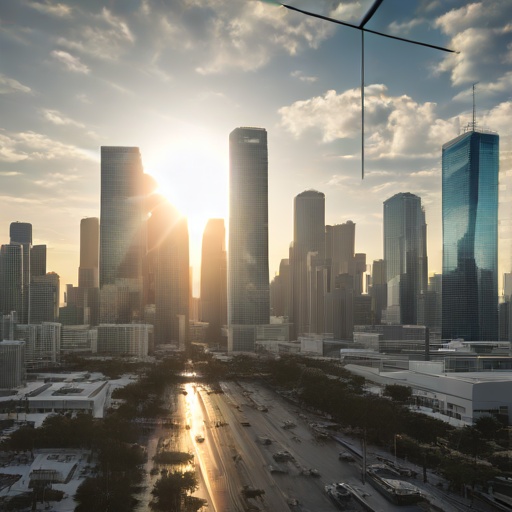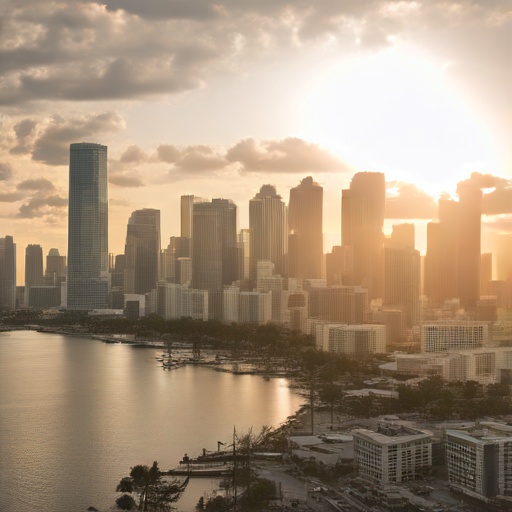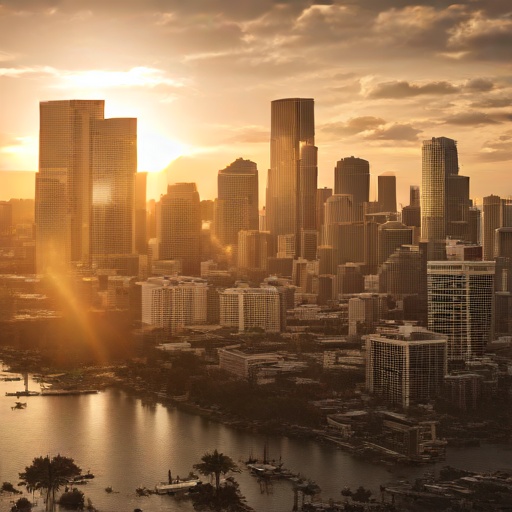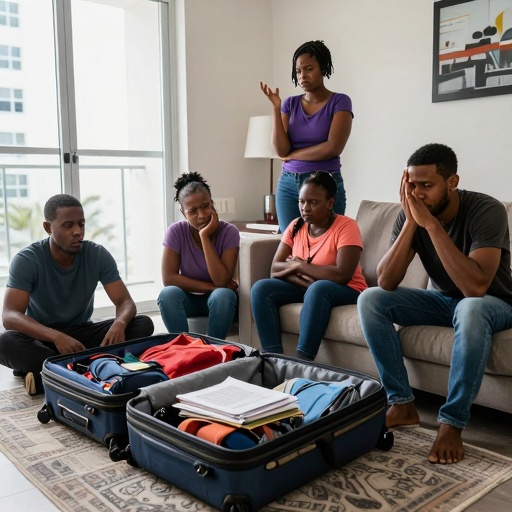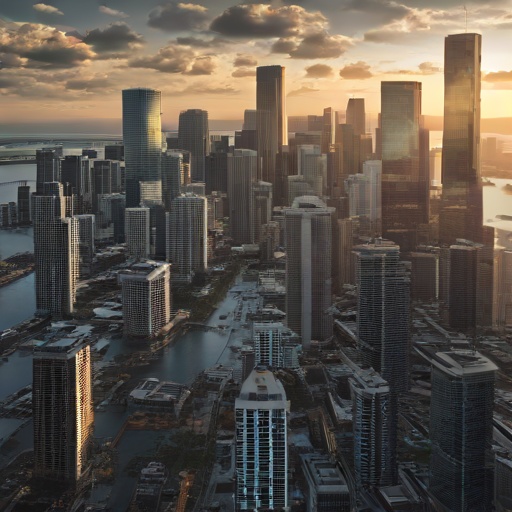
A new wave of capital flight is reshaping the luxury real estate landscape in South Florida as wealthy Colombians seek refuge from mounting political instability at home. As Colombia approaches a contentious election cycle, concerns over economic volatility and social unrest have accelerated investment decisions among high-net-worth individuals looking for safe harbors.
Real estate brokers across Miami-Dade, Broward, and Palm Beach counties report a marked increase in inquiries from Colombian nationals seeking tangible assets outside their home country. These buyers are not merely tourists; they are strategic investors viewing Florida property as both a financial shield against currency devaluation and a potential residence for themselves or future generations.
The trend reflects broader anxieties about the direction of Latin American politics, with many fearing that upcoming elections could lead to policy shifts detrimental to private enterprise. Consequently, South Florida has emerged as the primary destination for this demographic, offering political neutrality relative to their home region and a robust legal framework protecting foreign ownership.
Economic Volatility Drives Cross-Border Capital Flight
The Colombian peso has faced significant pressure in recent months, eroding purchasing power and prompting urgent asset diversification strategies among the country's elite. With inflation rates fluctuating and economic forecasts remaining uncertain, liquidating local assets to purchase US real estate has become a preferred method of wealth preservation.
According to data from major Miami brokerage firms, transactions involving Colombian buyers have risen by double digits in the last quarter alone compared to previous years. This surge is particularly evident in high-end condominiums and waterfront estates where prices remain resilient despite broader market corrections elsewhere in Florida.
The allure of the US dollar as a stable store of value cannot be overstated, especially for investors whose domestic portfolios are tied to volatile regional currencies. By converting savings into tangible real estate assets in South Florida, these buyers effectively hedge against economic shocks that could destabilize their financial standing back home.
"We are seeing clients who previously viewed Miami as a vacation spot now treating it as their primary safety net," said Maria Rodriguez, a senior broker specializing in international clientele for a major firm in Coral Gables. "The fear of political unpredictability is the single biggest driver right now."
This shift represents more than just individual investment choices; it signals a potential long-term demographic change that could influence local property values and community dynamics across South Florida's most exclusive neighborhoods.
South Florida Becomes Premier Destination for Latin American Capital
Miami-Dade County remains the epicenter of this activity, with luxury enclaves such as Brickell, Coconut Grove, and Bal Harbour seeing unprecedented interest from Colombian buyers. The proximity to Bogotá via direct flights and the established infrastructure catering to Spanish-speaking residents make the area uniquely positioned to absorb this influx.
However, the trend extends beyond Miami proper into neighboring counties where inventory is slightly more abundant and entry prices are marginally lower for comparable luxury amenities. Palm Beach County has also reported a uptick in off-market deals involving Colombian entities seeking privacy and discretion during their acquisition process, more context in 8 South Florida Cities Ranked Among State's Worst Real Estate Markets.
The local housing market, already grappling with affordability challenges for middle-class residents, faces additional pressure from this influx of foreign capital driving up prices at the top end. While these transactions inject liquidity into the luxury sector, they also contribute to a widening gap between high-end asset holders and those priced out of the traditional Florida dream.
Tourism officials note that many of these buyers are exploring dual-residency options, maintaining homes in Colombia while securing permanent bases in Florida. This mobility allows them to navigate complex political landscapes without severing ties to their homeland entirely.
Political Uncertainty and the Future of Migration
The upcoming election cycle in Colombia is expected to be highly polarized, with candidates representing vastly different economic visions for the nation's future. Such polarization often leads to regulatory uncertainty regarding property rights, taxation policies, and foreign investment rules, further incentivizing capital export.
Legal experts warn that if political tensions escalate into civil unrest or significant policy reversals after the election, the flow of wealthy Colombians to Florida could accelerate dramatically. The current trend is merely a precursor to what could become a sustained migration pattern affecting both real estate markets and local demographics.
State officials in Tallahassee have taken note of this phenomenon, recognizing that foreign investment bolsters the state's economy but also requires careful monitoring regarding money laundering regulations and tax compliance. The Florida Department of Financial Services has emphasized its commitment to enforcing strict due diligence on international real estate transactions.
"While we welcome all legal investment into our state, it is imperative that these funds are transparently sourced," stated a spokesperson for the Florida Commission on Ethics. "We must ensure that our markets remain free from illicit financial activities while supporting legitimate economic growth."
The intersection of international politics and local real estate dynamics illustrates how global events directly impact communities in South Florida, creating both opportunities and challenges for residents and policymakers alike.