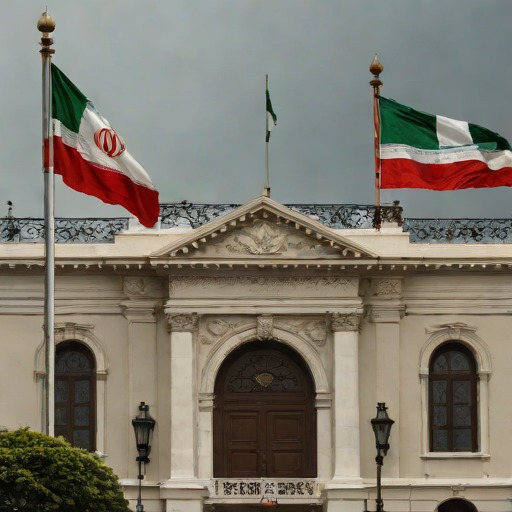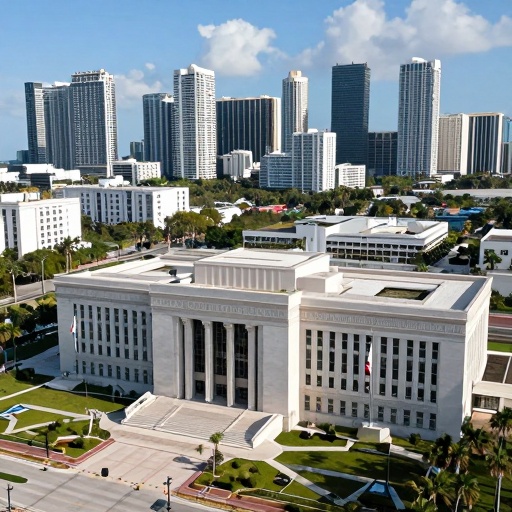
The United States military launched strikes against Iran's primary oil export hub, President Donald Trump confirmed, marking a dramatic escalation in the conflict that has sent global energy markets into turmoil and prompted the deployment of thousands of additional American troops to the Middle East.
Crude oil prices settled at more than $103 per barrel following the strikes, representing an increase of over 40 percent since the war began on February 28. The price surge has raised immediate concerns about the economic impact on American consumers and global supply chains already strained by the ongoing hostilities.
Pentagon Deploys Additional Forces to the Region
U.S. officials confirmed that another 2,500 Marines and as many as three more warships were being sent to bolster American military presence in the Persian Gulf region. The troop deployment signals Washington's commitment to sustaining military operations against Iranian targets and protecting strategic interests in one of the world's most critical energy corridors.
The strikes on Iran's oil export infrastructure represent a calculated strategic decision to target the economic lifeline of the Iranian government. Iran's oil exports have historically been a primary source of revenue for Tehran, and disrupting that flow could have far-reaching consequences for both Iran's war-fighting capacity and the global energy market.
Defense officials, speaking on background, indicated that the strikes were aimed at degrading Iran's ability to finance its military operations and sustain prolonged conflict. The targeting of energy infrastructure marks a shift from earlier phases of the conflict, which had focused primarily on military installations and command-and-control centers.
Global Energy Markets React With Volatility
The 40 percent surge in oil prices since the conflict's start has sent shockwaves through global financial markets. Energy analysts have warned that sustained disruption to Iranian oil exports — which prior to the conflict accounted for a significant share of global supply — could push prices even higher in the coming weeks.
For Florida residents, the implications are immediate and tangible. Gas prices across the state have already climbed sharply since late February, with analysts projecting further increases as the conflict continues. The tourism industry, a pillar of Florida's economy, faces particular vulnerability as higher fuel costs threaten to dampen travel demand during what is traditionally a peak season.
Economists have noted that the price spike could have cascading effects across the broader economy, from increased transportation and shipping costs to higher prices for consumer goods. Florida's agricultural sector, which relies heavily on fuel-intensive logistics to move produce from farms to markets nationwide, is also bracing for impact.
The strike on Iran's oil export hub represents the most significant escalation since the conflict began, with consequences that will be felt far beyond the battlefield, according to regional security analysts monitoring the situation.
Political Reactions Split Along Familiar Lines
In Washington, reaction to the strikes has been divided. Supporters of the administration's approach argue that targeting Iran's economic infrastructure is essential to bringing the conflict to a swift conclusion. They contend that cutting off Tehran's oil revenue will force Iranian leaders to the negotiating table sooner rather than later.
Critics, however, have raised concerns about the broader consequences of striking energy infrastructure in such a volatile region. Several members of Congress have called for greater legislative oversight of the expanding military campaign, with some questioning whether the administration has adequate authorization for the scope of operations currently underway, as we reported in Economic Pressure on Iran Could Trigger Military Escalation, Expert Warns.
Florida's congressional delegation has been vocal on both sides of the debate. Members representing military-heavy districts along the Gulf Coast and in Northeast Florida have largely expressed support for the troops while calling for clear strategic objectives. Others, particularly those representing districts with large communities sensitive to rising consumer costs, have pressed for diplomatic off-ramps.
Humanitarian and Strategic Concerns Mount
International organizations have expressed growing alarm about the humanitarian implications of the conflict's escalation. Strikes on oil infrastructure carry environmental risks, including potential spills and fires that could affect civilian populations and marine ecosystems in the Persian Gulf.
Diplomatic efforts to broker a ceasefire have so far yielded little progress. Allied nations in Europe and the Middle East have called for restraint while largely supporting the American position that Iran's actions necessitated a military response. The United Nations Security Council has held multiple emergency sessions since the war began but has been unable to reach consensus on a resolution.
The deployment of additional Marines and warships suggests the Pentagon is preparing for a potentially prolonged engagement. Military logistics experts have noted that the force buildup is consistent with plans for sustained operations rather than a limited strike campaign.
What Comes Next for the Conflict and the Economy
As the war enters a new and more intense phase, the coming days will be critical in determining whether the strikes on Iran's oil infrastructure achieve their intended strategic effect or provoke further escalation. Energy markets will be watching closely for any signs of disruption to shipping lanes in the Strait of Hormuz, through which roughly one-fifth of the world's oil supply passes daily.
For Floridians and Americans broadly, the most immediate concern remains the economic fallout. With oil prices already at their highest levels in years and no clear end to hostilities in sight, households and businesses across the Sunshine State are preparing for a period of sustained financial pressure.
Civic Coast News will continue to monitor developments in this rapidly evolving situation, with particular attention to the economic and security implications for Florida communities.