Trump Reverses Naval Mission in Strait of Hormuz Citing Escalation Risks
Former President halts proposed deployment after internal warnings suggest intervention could trigger wider Middle East conflict involving Iran.
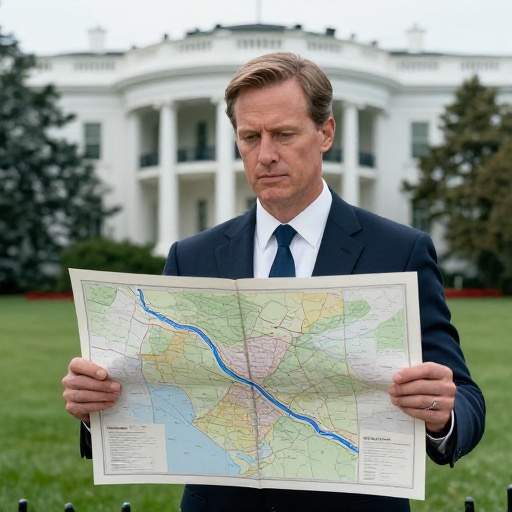
Former President Donald Trump announced a significant reversal of his previously stated naval mission to secure the Strait of Hormuz, citing new intelligence regarding the potential for regional escalation. The 79-year-old former commander-in-chief made the declaration on Tuesday via a Truth Social post, marking a sharp pivot from his earlier rhetoric about deploying U.S. warships to the critical waterway.
The Strait of Hormuz remains one of the world's most vital shipping lanes, through which approximately 20 to 30 percent of the world's consumed oil passes daily. Any disruption in this narrow corridor between Oman and Iran could send global energy prices soaring and destabilize markets from Florida to Asia.
Trump's initial proposal called for a robust naval presence to guarantee the free passage of commercial vessels, a move that aligned with his long-standing "America First" doctrine of protecting American economic interests abroad. However, the sudden change in strategy suggests that advisors or new data have highlighted the severe risks of a direct military confrontation with Iran.
Strategic Shift and Internal Warnings
The reversal appears to stem from urgent warnings within national security circles that a unilateral U.S. deployment could be interpreted by Tehran as an act of war. Military analysts suggest that stationing a carrier strike group in the strait without a unified coalition could provoke asymmetric retaliation from Iranian-backed militias.
Reports indicate that senior defense officials cautioned Trump that such a move might inadvertently trigger a broader Middle East conflict, drawing the United States into a quagmire that could span from the Persian Gulf to the Red Sea. The potential for Iranian forces to target U.S. assets or allied shipping in the region remains a primary concern for the Pentagon.
Furthermore, the economic implications of a miscalculation are staggering. A conflict in the Strait of Hormuz could disrupt global supply chains, leading to immediate spikes in gasoline prices across Florida and the rest of the nation. This economic volatility would likely impact the tourism and real estate sectors, which are sensitive to consumer spending power.
Trump's decision to halt the plan reflects a pragmatic assessment of the geopolitical landscape, prioritizing the avoidance of direct conflict over the immediate projection of force. This shift underscores the complex nature of modern foreign policy, where the threat of escalation often outweighs the benefits of a show of strength.
Impact on Florida's Economy and Tourism
Florida's economy, heavily reliant on stable energy prices and a thriving tourism industry, is particularly vulnerable to disruptions in global oil markets. A conflict in the Middle East would likely drive up the cost of aviation fuel, directly affecting the state's major airports in Miami, Orlando, and Tampa.
The tourism sector, which employs millions of Floridians, could see a decline in visitor numbers if travel costs rise significantly due to higher fuel surcharges. Additionally, the state's real estate market, which has experienced rapid growth in recent years, could face headwinds if inflationary pressures from energy shocks persist, more context in Trump Halts Iran Talks, Threatens Economic Warfare Amid Strait Crisis.
Local business leaders in Miami-Dade and the Panhandle have expressed relief at the de-escalation of tensions, noting that stability is essential for maintaining the state's competitive edge in the global marketplace. The avoidance of a military confrontation ensures that Florida can continue to focus on domestic issues such as hurricane preparedness and infrastructure development.
Moreover, the uncertainty surrounding international conflicts often leads to volatility in the stock market, which can impact retirement funds and investment portfolios for many Florida residents. By stepping back from a potential flashpoint, Trump's decision may help preserve the economic stability that the Sunshine State depends upon.
Geopolitical Implications and Future Outlook
The reversal of the naval mission signals a broader recalibration of U.S. foreign policy in the Middle East, emphasizing diplomacy and deterrence over direct military intervention. This approach aligns with the views of many international allies who have urged caution regarding the Strait of Hormuz.
Iran's response to the withdrawal of the proposed U.S. naval deployment will be closely watched by intelligence agencies and foreign governments. Tehran may interpret the move as a sign of weakness or as a diplomatic victory, potentially emboldening its regional proxies.
However, the United States maintains a significant naval presence in the region through the Fifth Fleet, based in Bahrain, which continues to monitor shipping lanes and deter aggression. The decision to not escalate further allows the U.S. to maintain its strategic posture without crossing the threshold into open conflict.
As the political landscape in Washington shifts, the focus will remain on balancing national security interests with the need to avoid entanglement in foreign wars. For Florida voters and policymakers, the stability of the global economy remains a critical factor in shaping their views on national leadership and foreign policy.
Ultimately, the revelation of the reasons behind Trump's reversal highlights the delicate balance required in international relations. The decision to prioritize de-escalation over confrontation serves as a reminder that the consequences of military action extend far beyond the battlefield, impacting economies and communities worldwide.