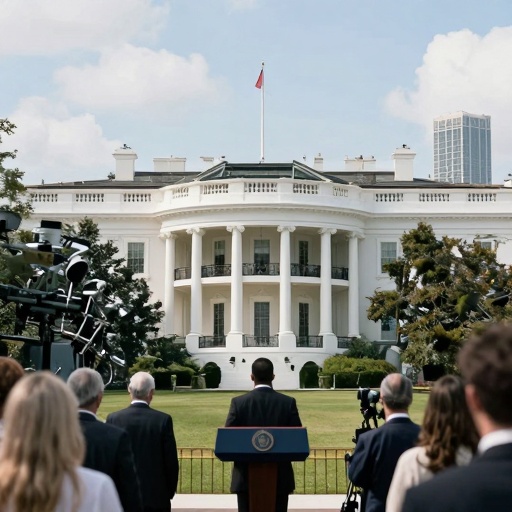
President Donald Trump’s approval rating has fallen to a second-term low, according to the latest New York Times/Siena poll released as the nation approaches the critical midterm elections. The data indicates that voters are increasingly questioning his handling of the U.S. economy and his management of ongoing military conflicts. This decline in public support comes at a pivotal moment for the Republican Party, potentially complicating efforts to maintain control over Congress.
Economic Anxiety Drives Voter Dissatisfaction
The poll highlights economic concerns as a primary driver behind the drop in presidential approval. With inflation and cost-of-living issues remaining persistent challenges for American households, many voters are expressing skepticism about the administration’s fiscal policies. The New York Times/Siena survey suggests that these economic anxieties are translating into broader political dissatisfaction, affecting not only the president’s personal standing but also the electoral prospects of down-ballot Republican candidates.
While specific numerical figures from the poll were not detailed in the initial report, the trend points toward a significant shift in voter sentiment. Historically, midterm elections have served as referendums on the sitting administration’s performance. The current data suggests that Trump is facing headwinds similar to those experienced by previous presidents during their second terms when economic conditions remain stagnant or deteriorate.
War Policies and Political Fallout
Beyond domestic economics, the poll also reflects voter concerns regarding the administration’s handling of international conflicts. The reference to an "unpopular war" in recent reporting indicates that military engagements are contributing to the erosion of public support. Voters appear divided on the strategic direction of U.S. foreign policy, with a notable segment expressing dissatisfaction with current approaches.
This dual pressure from economic and geopolitical fronts creates a challenging environment for Republican strategists. The combination of domestic financial worries and international military commitments has historically proven difficult to navigate during midterm campaigns. As voters weigh these factors, the administration’s ability to rally its base while persuading independents remains under scrutiny.
Implications for Upcoming Midterms
The sinking approval rating darkens GOP prospects as the midterms draw near. Republican leaders are now tasked with mitigating the impact of presidential unpopularity on their congressional candidates. The poll’s findings suggest that local issues may play an even larger role in determining election outcomes, potentially allowing Democrats to capitalize on national dissatisfaction.
As campaign seasons intensify across key swing states, both parties will likely focus heavily on economic messaging and foreign policy defense. The New York Times/Siena data serves as a warning sign for the Republican Party, indicating that maintaining voter enthusiasm may require significant effort in addressing the specific concerns highlighted by this latest survey.