South Florida Cuban Americans Split on $100M U.S. Aid to Cuba
Opinions diverge in Little Havana as Cuba considers U.S. assistance amid fuel shortages and blackouts.
South Florida’s Cuban American community is expressing sharply divided opinions regarding the United States’ proposal to send $100 million in aid to Cuba. The debate has intensified as Cuba’s president signals a willingness to accept the assistance package, which comes amid a worsening fuel crisis and prolonged blackouts across the island. The news emerged following confirmation that a U.S. delegation, including Central Intelligence Agency Director John Ratcliffe, recently met with Cuban officials. This diplomatic engagement highlights the complex geopolitical dynamics at play as Washington navigates its strategy toward Havana.
Diplomatic Engagements and Intelligence Cooperation
The potential aid package follows a meeting between U.S. and Cuban representatives that included discussions on intelligence cooperation, economic stability, and security issues. A CIA official told CBS News that Ratcliffe emphasized to Cuban officials that Cuba can no longer serve as a safe haven for adversaries in the Western Hemisphere. While details of the aid have not been fully worked out, the Cuban government has acknowledged the possibility of accepting the funds. Cuba attributes its severe fuel shortages to U.S. restrictions on oil imports, describing them as part of a pressure campaign by former President Donald Trump to target the regime.
Local Reactions in Little Havana
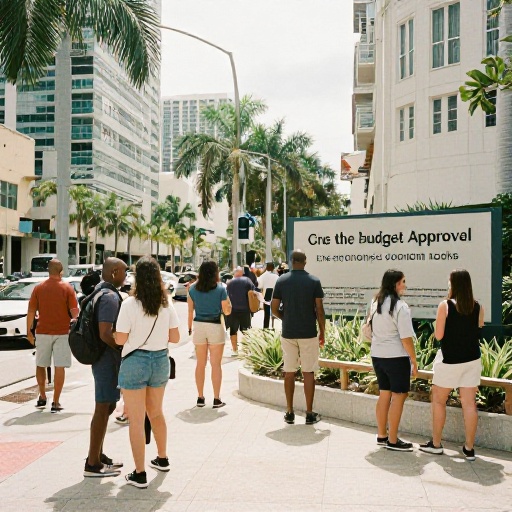
In Miami’s Little Havana, the heart of the Cuban American community, reactions to the aid proposal reflect a broader ideological split. Mario Cabera, a patron of the Versailles restaurant, argued for continued pressure on the Cuban leadership. "They should squeeze [the regime] more until Cuba changes," Cabera stated, reflecting the viewpoint of those who believe economic aid might inadvertently support the government rather than the people. Conversely, Carlos Horan expressed opposition to the current U.S. strategy, despite his own stance against the Cuban regime. "What are they going to do if they can't get fuel? I'm totally against the Cuban regime, but what the U.S. is doing is the wrong thing," Horan said, highlighting concerns that the crisis is harming the general population, as we reported in Florida Faces Sticker Shock as ACA Premiums Rise in 2027 Amidst Policy Uncertain.
Expert Analysis on the Crisis
Andy Gomez, a professor of Cuba studies at the University of Miami, provided context on the severity of the situation, noting that the nation faces shortages of food and medicine in addition to the collapsing power grid. Gomez suggested that the dire circumstances may be forcing difficult internal decisions within the Cuban government. "I think this is the worst. I have to believe there are conversations going on within the inner circle, 'we have no choice,'" Gomez said. However, he cautioned that regime change remains a difficult prospect as long as the military continues to support the current government. The situation in Cuba underscores the ongoing challenges for U.S. policymakers in balancing humanitarian concerns with strategic objectives.