Pope Leo XIII Warns of Global Tyrants Following Donald Trump's Public Criticism
Vatican leader issues stark warning about authoritarian rise after US President attacks papal stance on Middle East conflict
In a rare and forceful address to the global community, Pope Leo XIII has issued a stark warning about the rising tide of authoritarianism, describing a world increasingly ravaged by "tyrants." The pontiff's comments come in the immediate aftermath of a heated exchange with U.S. President Donald Trump, who publicly criticized the Vatican's diplomatic stance regarding the escalating war in Iran.
The confrontation highlights a growing friction between religious moral authority and modern geopolitical realpolitik. While the Pope called for immediate de-escalation and humanitarian corridors, President Trump argued that a show of strength was necessary to deter further aggression from Tehran. This clash of ideologies has sent ripples through Washington, D.C., and diplomatic circles worldwide.
A Clash of Ideologies in the Middle East
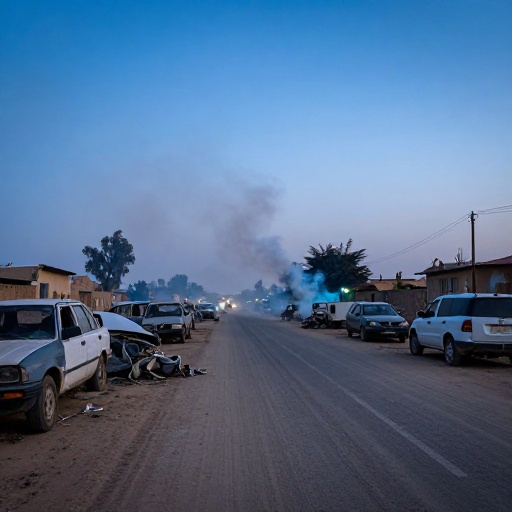
The dispute centers on the Pope's recent encyclical, which urged all nations to prioritize peace negotiations over military intervention in the Middle East. Pope Leo XIII specifically cited the humanitarian cost of the ongoing conflict in Iran, calling the situation a "grave moral failure" for the international community. He emphasized that the use of force without a clear path to reconciliation only feeds the cycle of violence.
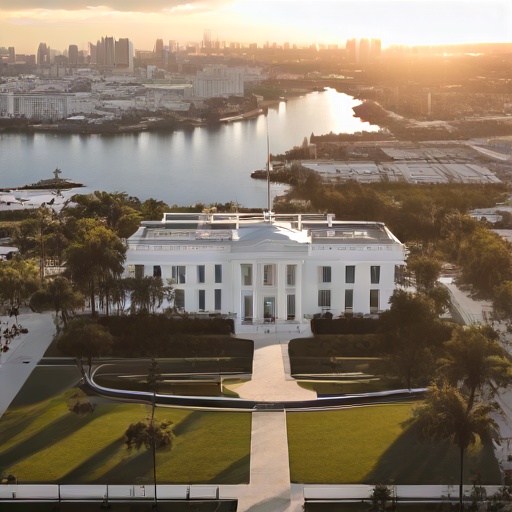
President Trump, speaking from the White House, sharply rebuked the pontiff's position. He argued that the Vatican's call for restraint was being misinterpreted by adversaries as weakness. "We cannot let tyrants dictate the terms of peace," Trump stated during a press briefing. "The Pope is well-meaning, but his approach ignores the reality of the threat we face from rogue regimes."
Analysts note that this public rebuke is unprecedented in recent history between a sitting U.S. President and the head of the Catholic Church. The tension underscores the complex relationship between American foreign policy and religious diplomacy. The White House has since clarified that while it respects the Pope's moral voice, national security decisions must remain in the hands of elected officials.
The Global Warning Against Authoritarianism
Despite the friction with the U.S. administration, Pope Leo XIII's broader message was directed at the global stage. In his address, he warned that the world is currently being ravaged by tyrants who exploit fear and division to consolidate power. He described a landscape where democratic institutions are eroding and where the rule of law is being replaced by the rule of force.
"We see a world where the strong devour the weak, and where the voice of the marginalized is silenced by the gavel of the oppressor," the Pope declared. He called upon citizens of all nations to stand firm against the encroachment of authoritarian regimes. His words were particularly pointed toward regions where civil liberties are under threat and where political dissent is met with violence, as we reported in Lawmakers Criticize Trump Over Resumption of Iran War.
The Vatican's Secretariat of State released a statement reinforcing the Pope's position, stating that true security cannot be achieved through fear or domination. They argued that sustainable peace requires a foundation of justice and respect for human dignity. This stance has been welcomed by human rights organizations and various international bodies, though it has drawn criticism from hardline security advocates.
Implications for Florida and U.S. Politics
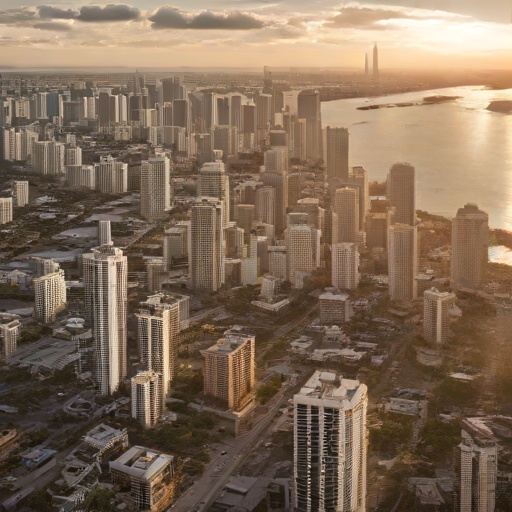
The fallout from this diplomatic row is already being felt in the United States, particularly in states with significant Catholic populations like Florida. Political leaders in Tallahassee and Miami-Dade are closely monitoring the situation, as the Pope's warnings resonate with many voters concerned about global instability. The issue has the potential to influence upcoming elections and policy debates on foreign aid and military spending.
In Florida, where the tourism industry and real estate markets are sensitive to global perceptions of safety, the rhetoric of "tyrants" and war has sparked concern among business leaders. A stable international environment is crucial for the state's economy, which relies heavily on international travel and investment. Any escalation in the Middle East could disrupt supply chains and travel confidence, impacting communities from the Panhandle to the Keys.
Furthermore, the debate touches on immigration policy, a perennial issue in Florida politics. The Pope's emphasis on protecting the marginalized has aligned with advocacy groups pushing for more humane immigration reforms. Conversely, supporters of the President's hardline stance argue that national security must take precedence. This ideological divide is likely to shape the political discourse in the Sunshine State for the coming months.
As the situation evolves, the Catholic Church in the United States has called for dialogue and unity. Bishops across the country are urging their congregations to pray for peace and to engage in civil discourse. The coming days will be critical in determining whether the rift between the Vatican and the White House can be bridged or if it signals a deeper fracture in international relations.