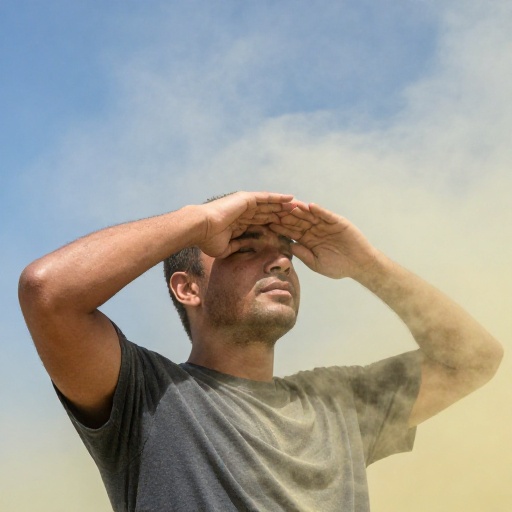
Massive Saharan Dust Cloud Approaches Florida This Week
Meteorologists warn of vibrant sunsets and reduced air quality as a large plume crosses the Atlantic toward the U.S.
A massive plume of Saharan dust is currently traversing the Atlantic Ocean and is projected to reach Florida later this week. According to meteorological data, the cloud should arrive late Thursday, with conditions peaking from Friday through Sunday. This atmospheric event will bring vibrant sunrises and sunsets due to light reflection off sand particles, but it may also reduce air quality for individuals with respiratory concerns.
Understanding the Saharan Dust Layer
Saharan dust, often referred to as the Saharan Dust Layer (SAL), consists of large clouds composed primarily of sand and fine particulate matter originating from the Sahara Desert in Africa. These particles can travel thousands of miles across the Atlantic Ocean before settling over the United States, including Florida. The layer typically sits between 5,000 and 15,000 feet above ground level.
The movement of this dust is closely tied to tropical air currents that are prevalent during hurricane season. While these atmospheric conditions frequently transport Saharan dust toward the southeastern United States, it does not reach every state or region with each weather cycle. The presence of such a large swath of particulate matter creates distinct visual and environmental effects across the affected areas.
Visual Spectacles and Storm Patterns
The primary visible effect of this atmospheric intrusion will be enhanced coloration during sunrise and sunset. As sunlight passes through the atmosphere filled with sand and dust particles, it reflects off these elements to create vibrant hues of orange, yellow, and red. Photographers and early risers are expected to capture striking images as a result of this optical phenomenon.
Regarding precipitation patterns, the arrival of Saharan dust typically suppresses the frequency of afternoon and evening thunderstorms during Florida's rainy season at least temporarily. However, meteorologists note that if storms do manage to form despite these conditions, there is an increased potential for "downbursts." A downburst occurs when air collapses out of a thunderstorm toward the ground, generating strong wind gusts that can be potentially damaging, more context in Strong Storms Sweep South Florida; More Rain Expected This Week.
Health and Air Quality Considerations
Beyond visual changes and weather patterns, the Saharan dust plume poses potential health considerations for residents. The presence of fine particulate matter in the air can lead to a reduction in overall air quality during the days the cloud is present. Individuals with respiratory conditions or allergies are advised to monitor local air quality indices closely.
Residents should take appropriate precautions as they navigate their daily activities during this period. While the dust creates aesthetically pleasing skies, it introduces particulates that can affect lung function and comfort levels for sensitive populations. Monitoring official weather updates will help Floridians prepare for these shifting atmospheric conditions throughout the week.